
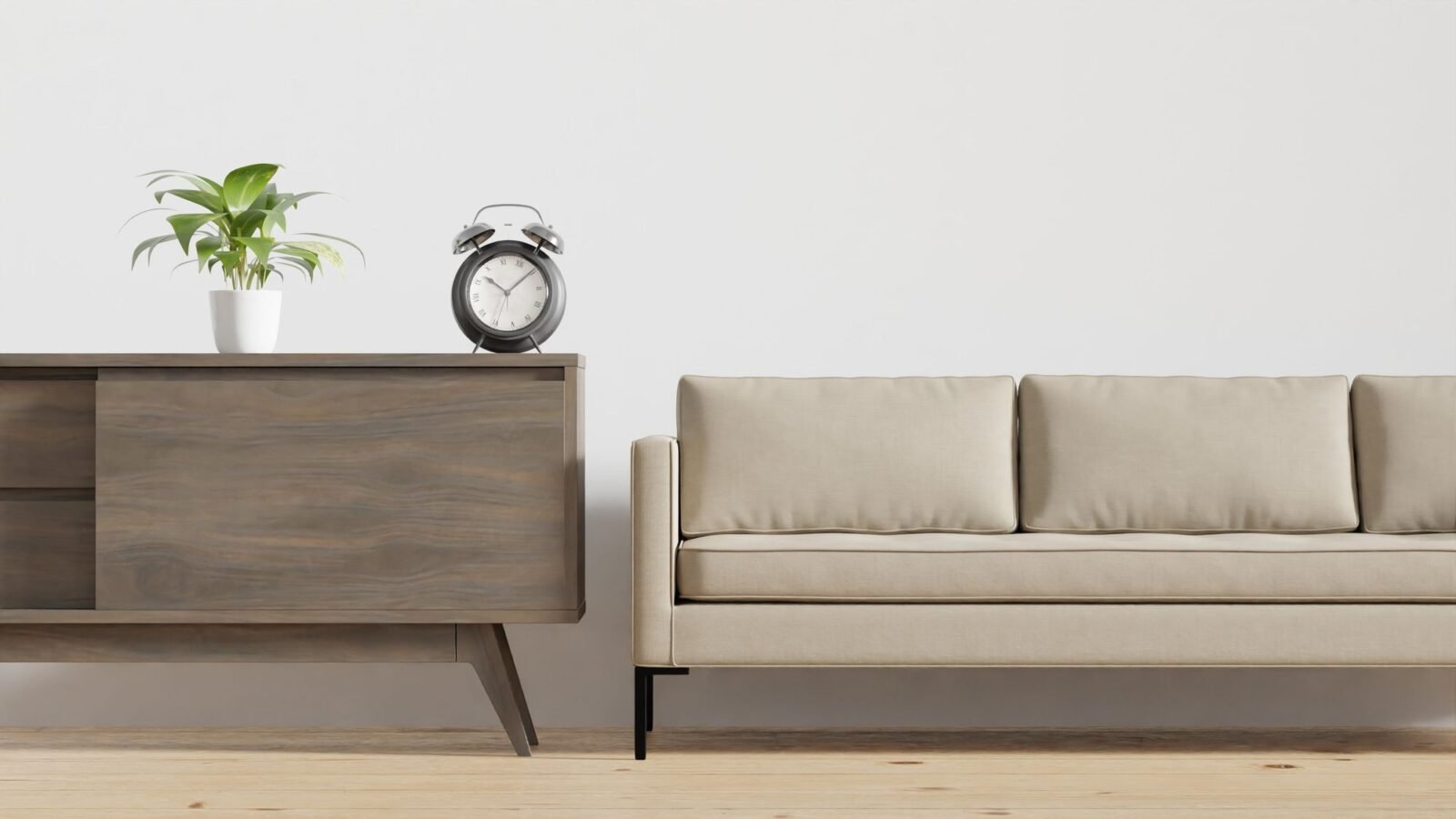
Neutral home decor is most successful when it feels layered rather than empty. Warm whites, beige, taupe, brown, soft gray, and natural materials can create a timeless foundation, but texture and contrast are what keep the rooms interesting.
These neutral home decor ideas show how to build a calm palette that still has warmth, personality, and enough variation to feel finished.
1Start with a warm white base
Warm white walls create a flexible background for beige, wood, stone, and darker accents to sit against. They reflect light without feeling as sharp or clinical as a cool, bright white can.
2Layer multiple neutral tones
Mix ivory, sand, oatmeal, taupe, mushroom, and soft brown rather than decorating in one exact beige throughout the room. The small tonal shifts between these colors are what actually create the sense of depth people notice.
3Use natural wood generously
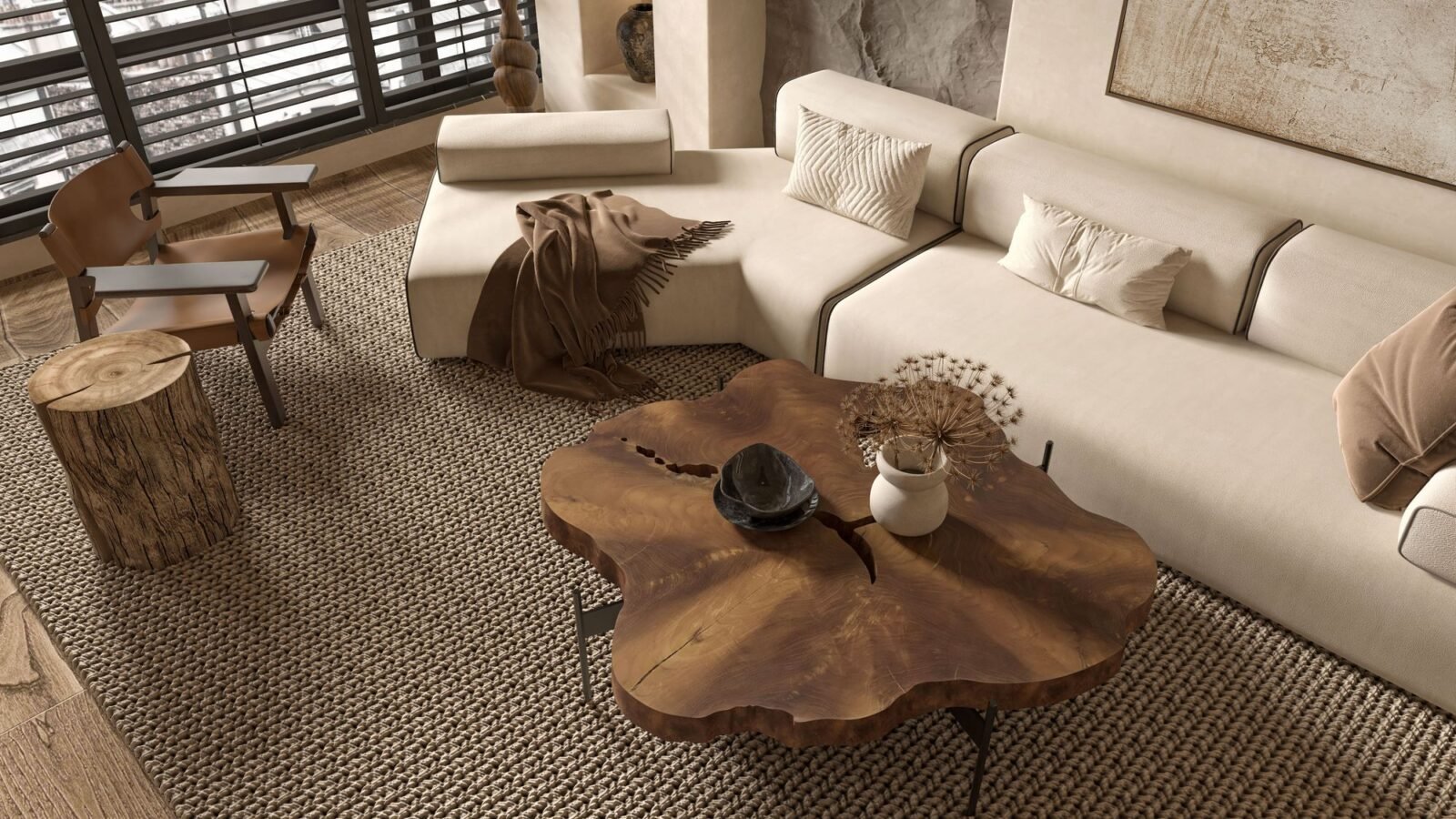
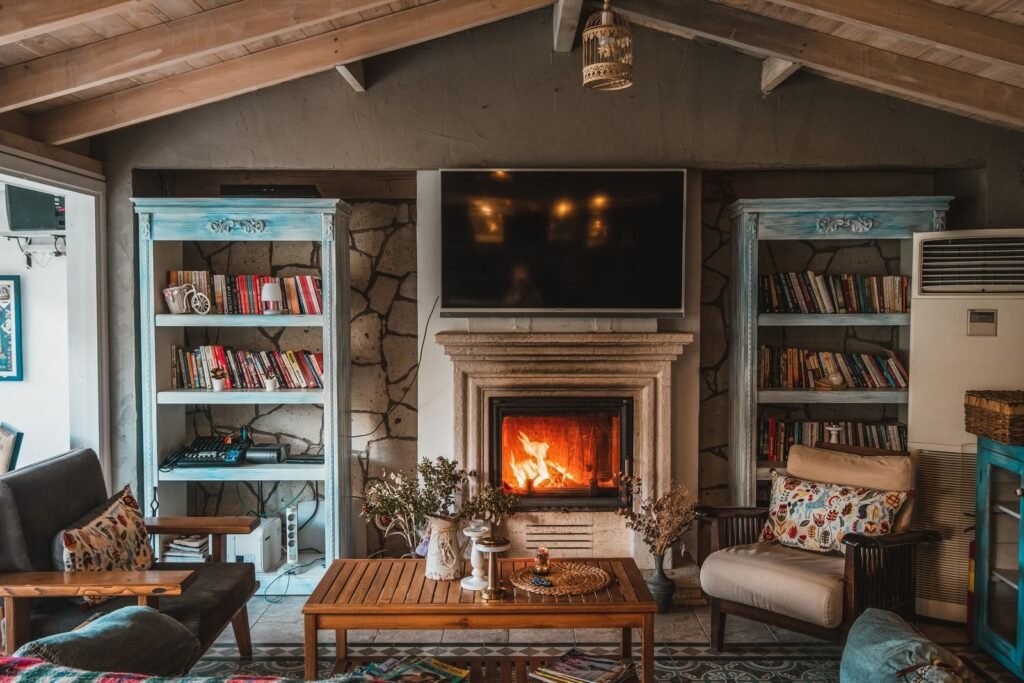
Wood adds warmth and visible grain to a neutral palette that flat paint alone cannot provide. Repeat similar wood tones in tables, frames, shelving, or stools for cohesion across the room.
4Bring in woven materials
Rattan, cane, jute, seagrass, and woven baskets add real texture without adding any strong color to manage. They work especially well in living rooms, bedrooms, and entryways where a neutral palette can otherwise feel flat.
5Choose textured upholstery
Bouclé, linen, brushed cotton, and nubby weaves give neutral sofas and chairs far more visual interest than a perfectly flat, smooth fabric ever could. This is one of the cheapest ways to add richness to an existing neutral piece.
6Add black or charcoal accents
A small amount of dark contrast keeps pale rooms from feeling washed out or flat. Use it in lamps, frames, hardware, or one occasional table rather than spreading it across several larger pieces.
7Mix old and new pieces
Vintage wood, handmade ceramics, or an older side table can make a neutral room feel genuinely collected rather than showroom-perfect. This approach has a lot in common with wabi-sabi, the idea that a little imperfection and age can make a space feel more honest and lived-in.
8Use stone and ceramic decor
Travertine, marble, clay, and matte ceramics contain subtle tonal variation that fits naturally within a neutral scheme. These materials tend to age well too, which matters for pieces meant to last for years.
9Keep patterns low contrast
Stripes, checks, and geometric patterns can add movement to a room without breaking its calm palette. Choose designs with closely related tones rather than sharp light-against-dark contrast.
10Layer rugs thoughtfully
A textured rug can anchor a room and soften hard flooring underfoot. In larger spaces, a natural fiber base rug with a smaller soft rug layered on top can add extra warmth exactly where people actually sit.
11Choose curtains with body
Linen-look or softly woven curtains add real softness around windows without feeling heavy. Hang them high and choose a tone close to the walls for an airy, cohesive effect.
12Add greenery for natural color
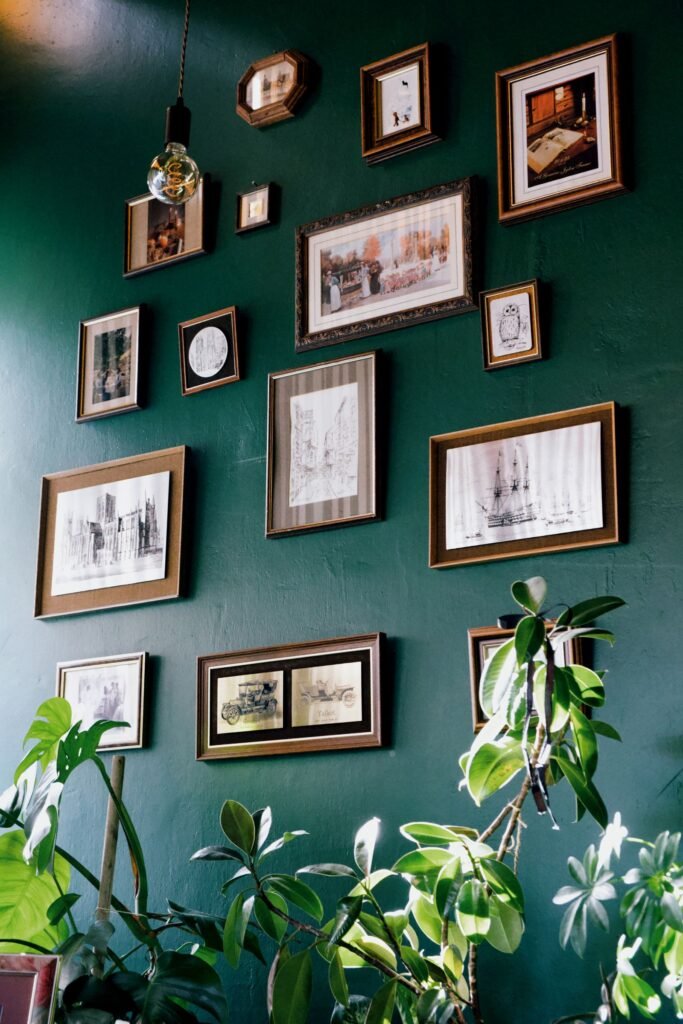
Plants provide a fresh contrast that still feels entirely compatible with a neutral interior. One or two larger plants often have more visual impact than many tiny pots spread across the room.
13Use warm metals
Brass, bronze, and aged metal finishes complement cream and beige far more softly than highly polished chrome does. Repeat the same finish in small doses across lighting and hardware rather than mixing several metal tones.
14Style shelves with breathing room
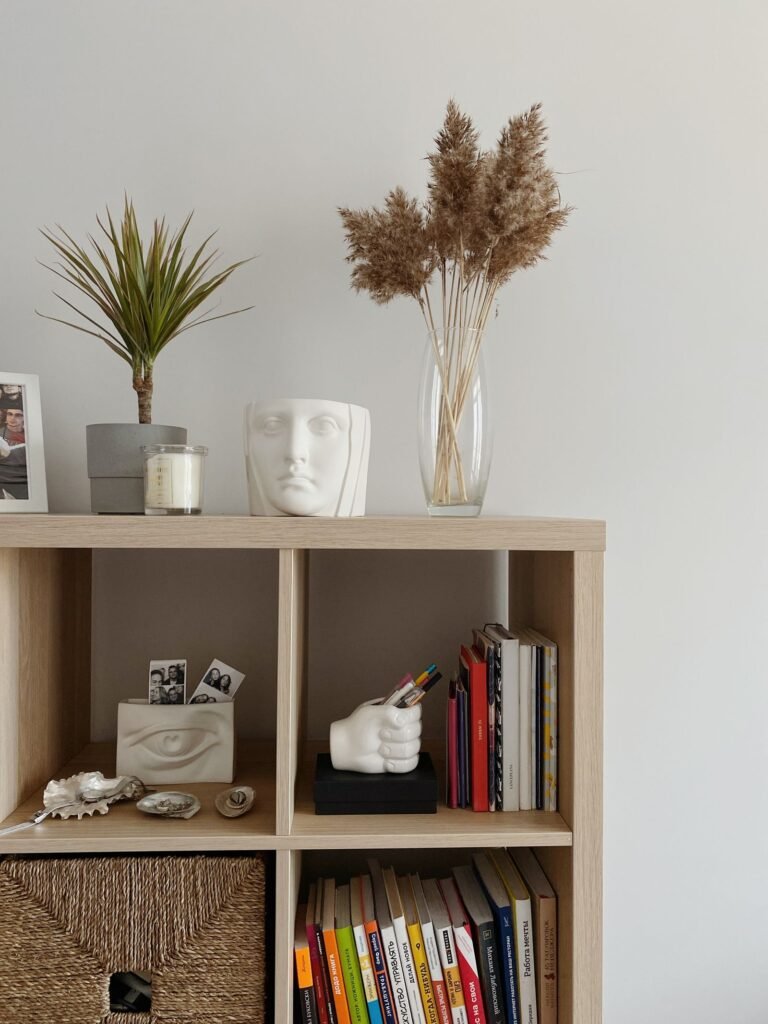
Neutral decor can still become cluttered if every shelf is completely full. Leave some shelves partially empty and vary the height and shape of books, ceramics, and art displayed on them.
15Add one darker wood tone
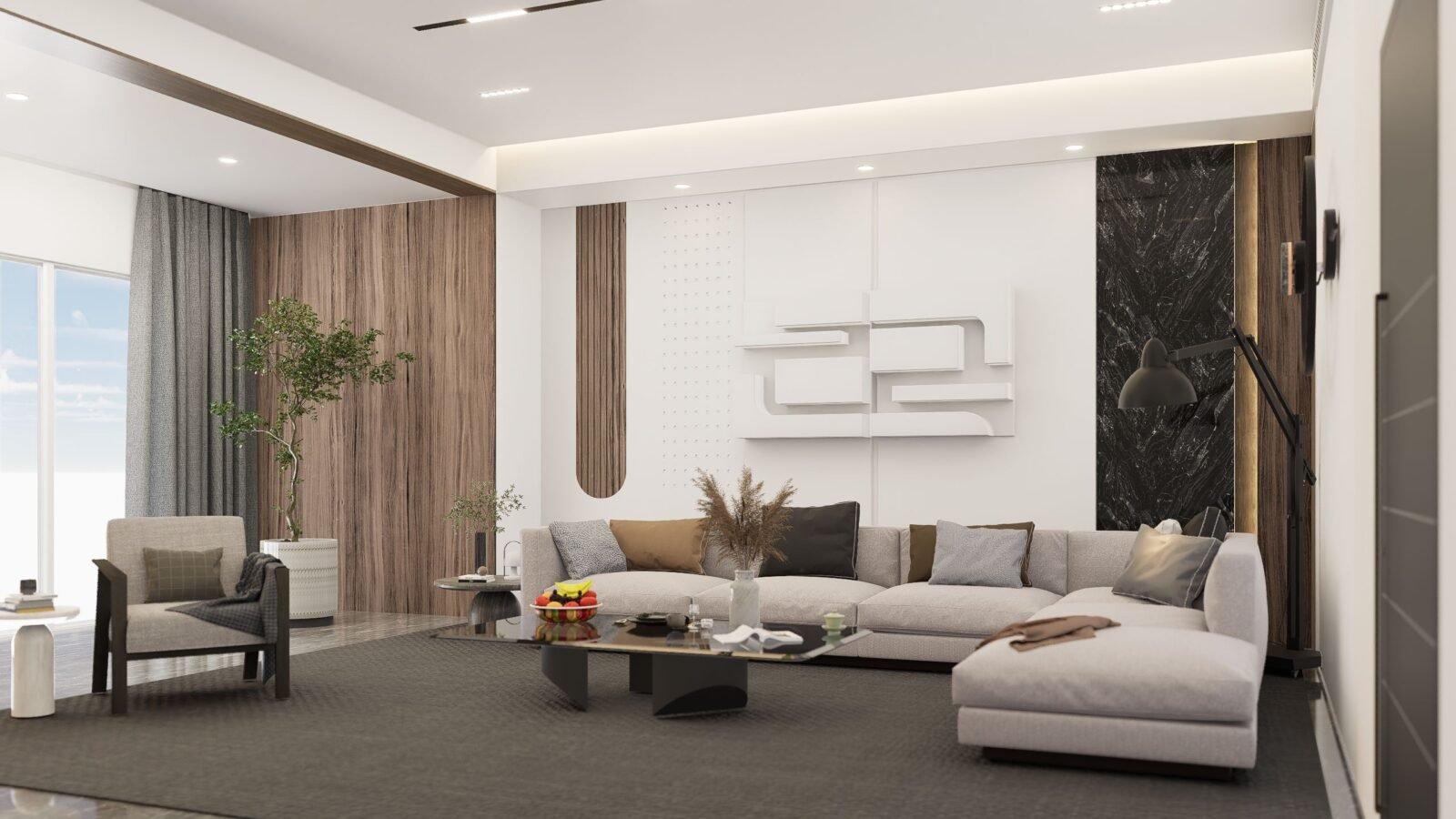
A walnut cabinet, a dark oak table, or an antique wood piece can ground a pale room and add visual weight exactly where it is needed. One piece is usually enough to anchor an entire room of lighter furniture.
16Repeat shapes as well as colors
Curved lamps, round tables, arches, or repeated rectangular frames can create real rhythm even when the color palette stays fairly restrained. Shape repetition is an underused trick in mostly neutral rooms.
17Use artwork with muted color
Landscapes, abstracts, and photography in earthy or desaturated colors can add personality without overpowering the neutral foundation around them. Save saturated, bright artwork for rooms with a bolder overall palette.
18Create contrast through texture
Pair smooth stone with woven baskets, crisp cotton with bouclé, or polished wood with linen throughout the room. This kind of texture contrast makes a limited color palette feel far richer than color alone ever could.
19Keep functional surfaces clear
Leave genuinely useful space on coffee tables, consoles, and counters rather than filling every inch with decor. A neutral home feels calmer overall when surfaces are not covered purely for decoration.
20Use soft lighting at night
Table lamps, floor lamps, and warm bulbs make cream and wood tones feel much richer once the sun goes down. Layering light like this adds real depth to otherwise simple, pared-back rooms.
21Edit before adding more
Neutral decorating works best with restraint rather than constant addition. If a room feels unfinished, adjust scale, placement, texture, or lighting before buying another decorative object to fill the gap.
Related ideas: 21 Beige Living Room Ideas That Feel Warm, Layered, and Inviting · 21 Cozy Living Room Ideas for a Warm and Inviting Home · 25 Small Apartment Living Room Ideas That Make the Most of Every Inch
Final Thoughts on Neutral Home Decor Ideas
Neutral home decor becomes timeless when the interest comes from materials, tone, and shape rather than short-lived color trends. Build these neutral home decor ideas slowly, repeat natural materials, and leave enough space for the textures and objects you choose to genuinely stand out.
Discussion