
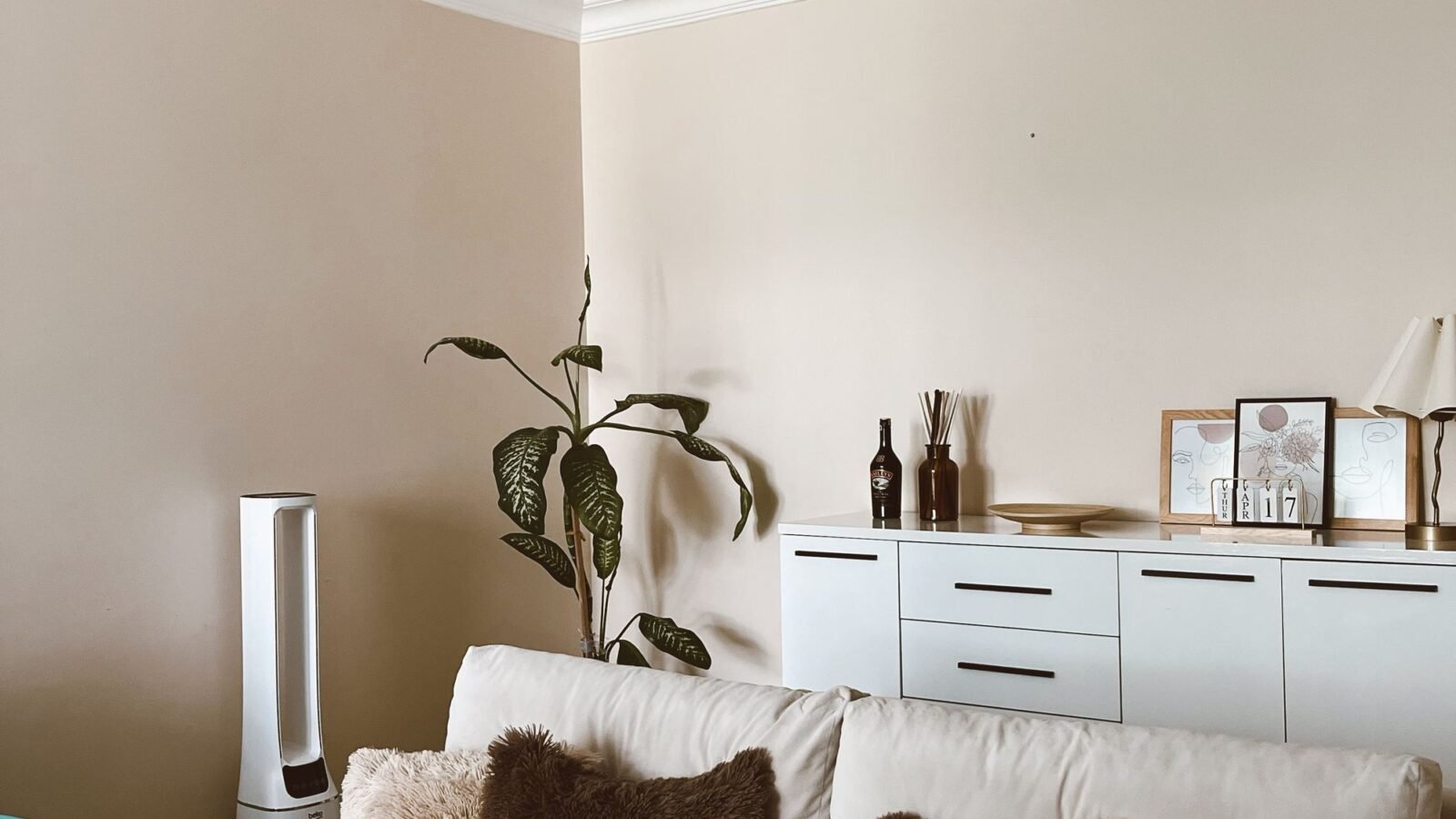
A cozy living room is less about matching one decorating style and more about how the room actually feels to use every day. Comfortable seating, layered light, tactile materials, and a layout that encourages conversation all work together to build genuine warmth into a space.
These cozy living room ideas apply across modern, traditional, apartment, and family homes alike, with practical, specific ways to add comfort without tipping into clutter.
1Start with comfortable seating
Choose a sofa that supports how you actually relax rather than buying for looks alone. Look for a seat depth of at least 22 inches if you like to curl up, and press the cushions to check that they spring back rather than staying flattened. A frame built from kiln-dried hardwood holds its shape for years, even when the fabric on top looks identical to a cheaper frame in the showroom.
2Bring the furniture closer together
Conversation areas feel warmer when seating is not pushed to opposite walls. Pull chairs and sofas inward around a rug or coffee table, aiming for roughly 3 to 4 feet between pieces so people can talk without raising their voices. Keep at least 30 inches of clear walkway so the room still feels easy to move through.
3Layer lighting at different heights
Combine ceiling lighting with floor lamps and table lamps set at a few different heights: overhead, eye level, and low. Several softer light sources create a more comfortable evening atmosphere than one bright overhead fixture, and dimmer switches let you shift from daytime brightness to a relaxed glow after dark.
4Use warm light bulbs
Warm white bulbs, generally in the 2700K to 3000K range, make wood, textiles, and skin tones look more flattering than the cooler, bluish light many fixtures ship with by default. Keep the color temperature consistent across every lamp in the room so the lighting feels intentional rather than mismatched.
5Add a substantial rug
A large rug visually gathers the seating and softens hard flooring underfoot. Choose a size that reaches under the front legs of your main furniture pieces at minimum, rather than a small rug floating in the middle of the room, which tends to make the whole space read as smaller than it is.
6Layer throws without overdoing it
One or two throws in a heavier knit or brushed cotton add softness and make a sofa feel inviting. Fold one in thirds over an arm or drape it loosely across a cushion so the room reads as relaxed rather than staged, or at the other extreme, cluttered with blankets nobody actually uses.
7Mix pillow textures
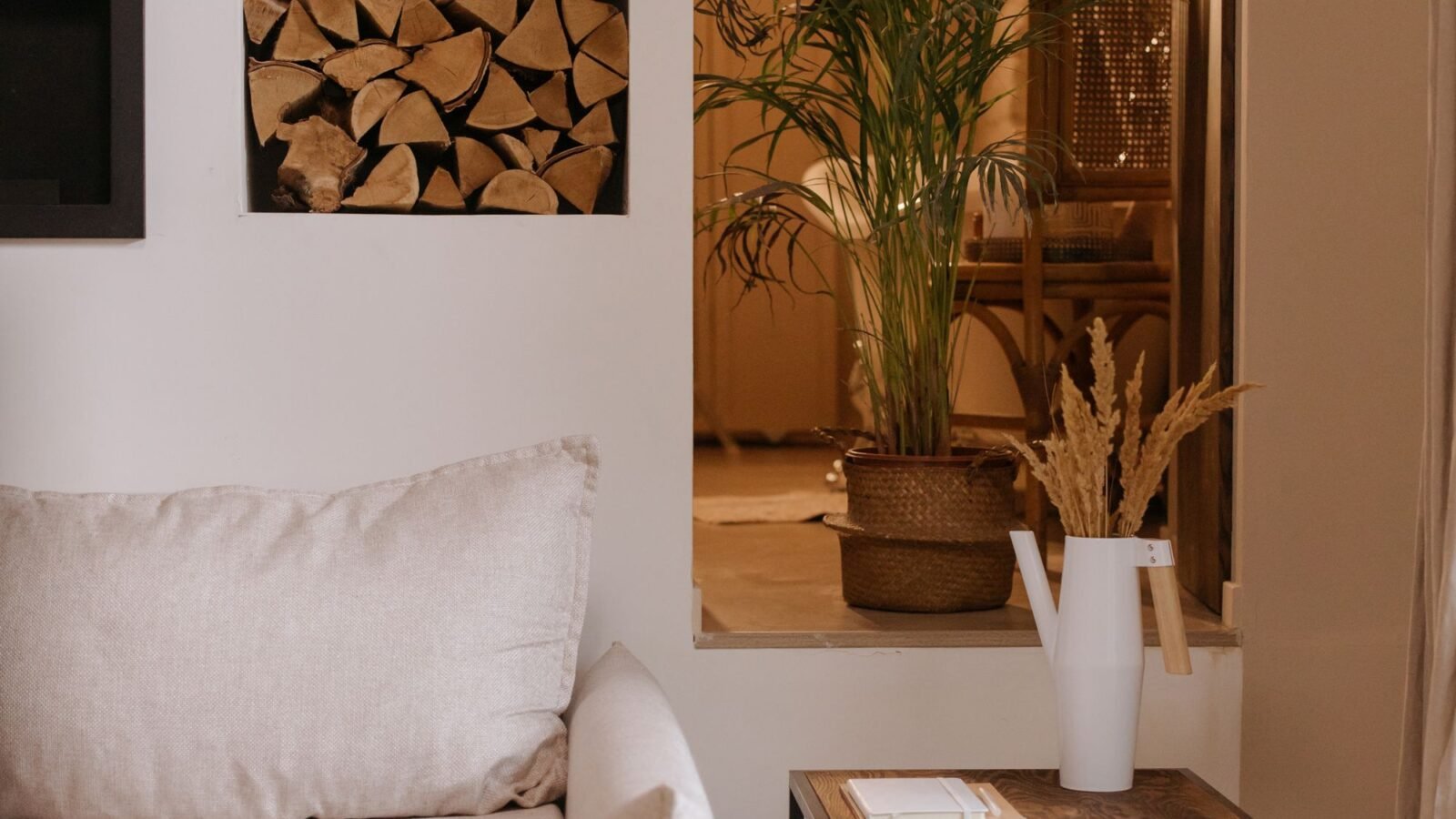
Combine linen, velvet, wool, or woven cotton cushions in a related color palette rather than matching everything exactly. Two to three textures on a sofa is usually the sweet spot: enough contrast to feel layered, not so much that the seating looks disorganized.
8Use natural wood
Wooden coffee tables, side tables, shelves, or frames introduce warmth that painted or metal furniture rarely matches on its own. Mixing one or two wood tones, rather than trying to match every piece exactly, tends to look more collected and less like a matching furniture set bought in one trip.
9Add curtains for softness
Curtains make a room feel more finished and soften the hard edges around windows. Hang the rod higher than the window frame, ideally close to the ceiling, and choose a fabric with enough weight to drape well without blocking daylight when the panels are pulled back.
10Create a reading corner
A comfortable chair, a small side table, and a dedicated lamp can turn an underused corner into a cozy destination on their own. Keep the footprint compact, a roughly 4-foot by 4-foot area is usually enough, so the corner earns its place without crowding the rest of the room.
11Use art that feels personal
Family photos, collected prints, landscapes, and pieces you genuinely enjoy make a room feel lived-in rather than showroom-perfect. Avoid filling every wall at once. Three or four meaningful works, properly framed and hung at eye level, have more impact than a dozen small prints scattered without a plan.
12Add baskets for everyday storage
Baskets can hold blankets, toys, magazines, or remote controls while keeping the room tidy without resorting to closed cabinets. Natural woven materials like seagrass or rattan add warmth on their own, and a matching pair on either side of a sofa or shelf reads as intentional rather than makeshift.
13Bring in plants
Plants soften corners and bring life to neutral rooms, and one larger variety, like a fiddle-leaf fig or snake plant, usually reads as more deliberate than a scatter of small pots. Choose a size that suits the space; a single substantial plant in a good pot often has more impact than five small ones competing for attention.
14Include one darker tone
A little black, charcoal, deep brown, or olive gives a pale, cozy room some definition it would otherwise lack. Use it sparingly, on a frame, a lamp base, or one furniture piece. A single dark anchor point is usually enough to keep an all-neutral room from feeling flat.
15Use a round or soft-edged coffee table
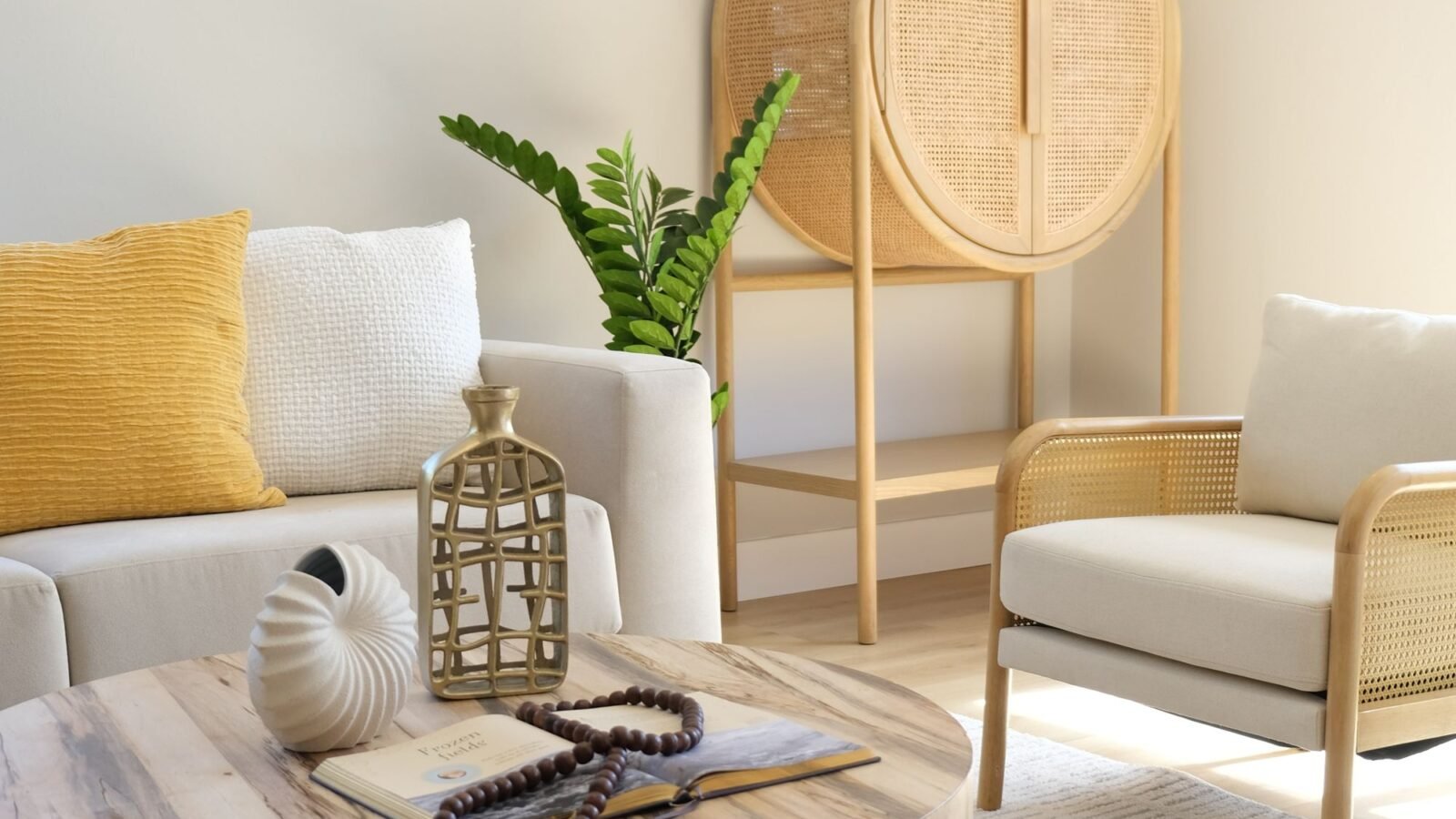
Curved forms make a seating area feel more relaxed and are easier to navigate in compact rooms, where sharp corners can catch a knee or a toddler’s forehead. Wood or stone finishes add extra warmth, and a round shape also makes it easier to pull an extra chair up when you have guests over.
16Style the coffee table simply
A tray, a book, and one decorative object are usually enough, so resist the urge to fill every inch of surface. Leaving roughly half the table clear keeps it usable for actual coffee cups and feet, and stops the center of the room from feeling cluttered the moment you walk in.
17Add a soft accent chair
An upholstered accent chair adds another layer of comfort and creates a more conversational layout than two facing sofas alone. Choose a fabric or color that complements the sofa rather than matching it exactly; bouclé, corduroy, and velvet all read as cozy without looking like a matched set from a showroom floor.
18Use warm wall colors
Cream, soft taupe, muted beige, warm gray, and gentle earthy tones can make a room feel cocooning rather than sterile. Test paint samples directly on the wall and check them at different times of day, since warm colors can shift noticeably under morning light versus evening lamps.
19Let texture do the decorating
Chunky knit throws, linen upholstery, bouclé cushions, leather accents, and natural fiber rugs provide visual richness without requiring a lot of extra accessories. A room built mostly from texture rather than pattern also tends to feel calmer and age better as trends shift.
20Keep pathways open
A cozy room still needs to function easily day to day. Leave a clear route, at least 30 inches wide, between the entrance, the seating, and any adjacent rooms, so the furniture never turns into an obstacle course, especially in smaller layouts where every inch counts.
21Edit accessories regularly
Warmth comes from the right objects, not the most objects. Walking through the room every few months and removing anything that no longer earns its place, a stray catalog or a candle you never light, keeps the remaining textiles, art, and decor feeling intentional instead of accumulated.
Related ideas: 21 Beige Living Room Ideas That Feel Warm, Layered, and Inviting · 25 Small Apartment Living Room Ideas That Make the Most of Every Inch · 21 Neutral Home Decor Ideas for a Warm and Timeless Look
Final Thoughts on Cozy Living Room Ideas
A cozy living room should feel comfortable before it feels decorated. Prioritize seating, lighting, layout, and tactile materials first, then layer in personal details in a way that keeps the room easy to use and easy to relax in. Small, deliberate changes, a warmer bulb here, a properly sized rug there, tend to make a bigger difference than an expensive redesign done all at once. Revisit these cozy living room ideas gradually rather than all in one weekend, and the room will keep feeling considered rather than staged.
Discussion