
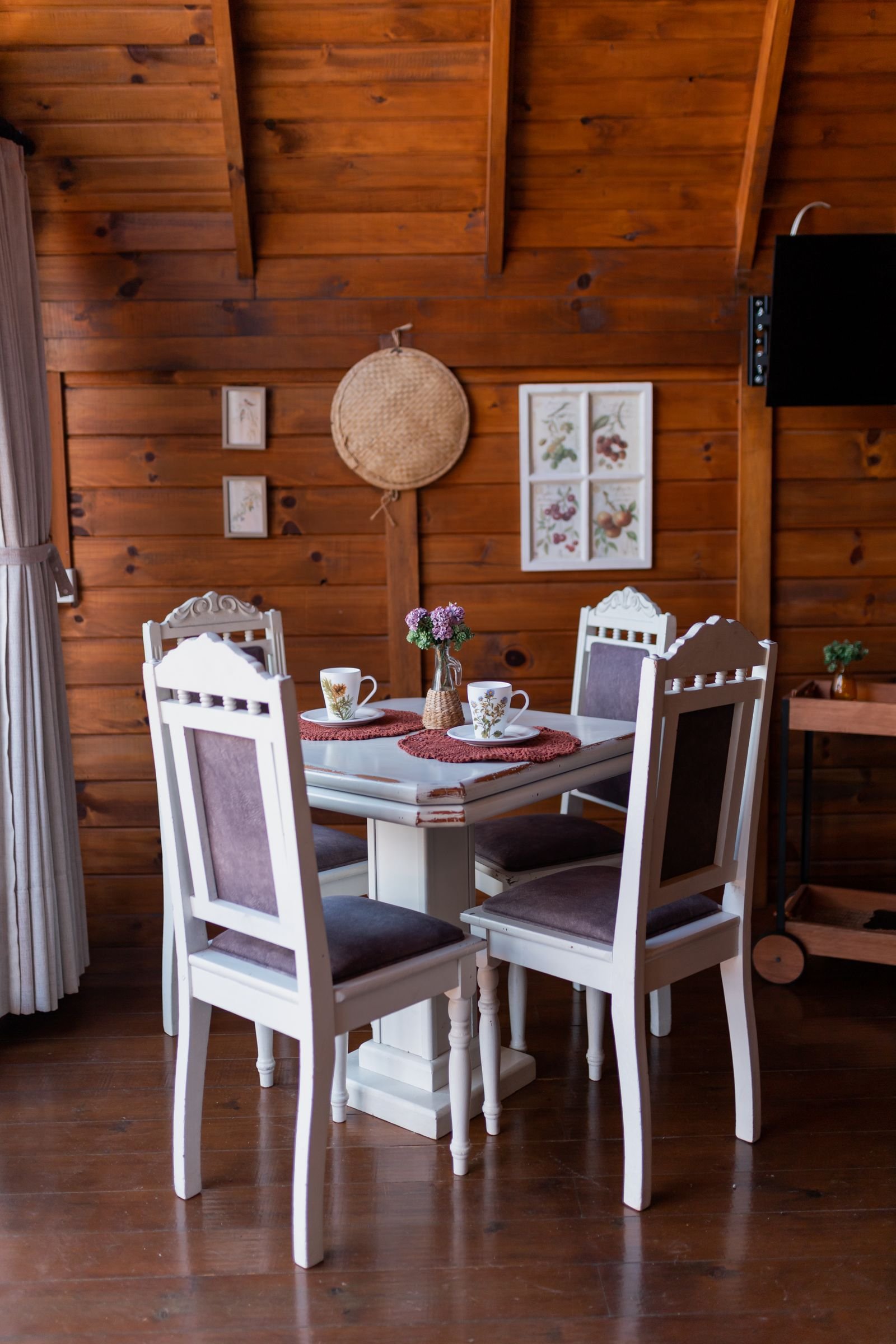
The dining room is where people gather, and its design should encourage exactly that: lingering over meals, conversation, and connection. A warm, inviting dining room balances a comfortable, well-scaled setup with good lighting and personal touches that make everyone want to pull up a chair and stay a while.
These ideas cover everything that makes a dining room feel welcoming, from choosing the table and seating to lighting, rugs, storage, and the details that add warmth. Choose the ones that suit your space, whether you have a formal dining room or a cozy corner.
What makes a dining room warm and inviting?
A welcoming dining room combines comfort, warm lighting, and a sense of intimacy. The right scale, soft textures, and a considered focal point turn a functional eating area into a space people genuinely want to gather in.
- Comfortable seating: chairs, benches, or a banquette that invite people to linger are essential.
- Warm lighting: a statement fixture on a dimmer sets the mood for every meal.
- The right scale: a table and rug sized to the room keep it balanced and easy to move around.
- Personal warmth: art, greenery, and texture give the room character and life.
1Choose the right table
The table is the heart of the dining room, so choose one that fits your space and how you use it. Round tables suit smaller rooms and encourage conversation, while a large rectangular table is ideal for hosting.
2Mix and match seating
Combining different chairs, or pairing chairs with a bench, adds character and a relaxed, collected feel. Mixed seating keeps a dining room from looking too formal or matchy.
3Add a statement light fixture
A pendant or chandelier over the table is both functional and a design centerpiece. A striking fixture anchors the room and draws the eye, setting the tone for the whole space.
4Layer a rug under the table
A rug defines the dining area, adds warmth, and softens the acoustics. Make sure it is large enough that the chairs stay on it even when pulled out.
5Create a focal point
A large piece of art, a mirror, or a striking sideboard gives the room a focal point beyond the table. It adds personality and makes the space feel designed and complete.
6Add a sideboard or buffet
A sideboard provides valuable storage for dinnerware and linens and a surface for serving or display. It is a hardworking piece that also grounds the room visually.
7Include a bench for flexibility
A bench on one side of the table seats extra guests and can be tucked away neatly when not in use. It adds a casual, flexible feel that works well for families.
8Use warm, dimmable lighting
Dimmable, warm-white lighting lets you shift from bright family meals to intimate dinners. The ability to soften the light is one of the biggest factors in a cozy dining room.
9Add greenery or a centerpiece
A bowl of fruit, a vase of flowers, or a trailing plant adds life and a natural focal point to the table. Keep centerpieces low so they do not block conversation across the table.
10Choose a warm color palette
Warm, inviting colors help a dining room feel cozy and encourage people to linger. Earthy tones, warm neutrals, and rich accents all create a welcoming atmosphere.
11Add texture with upholstered chairs
Upholstered or cushioned dining chairs are more comfortable for long meals and add softness. Fabric or leather seating invites guests to relax and stay at the table.
12Set up a bar cart or drinks station
A bar cart or a corner of the sideboard dedicated to drinks adds function and a touch of hospitality. It is convenient for entertaining and doubles as a styled display.
13Soften the room with curtains
Floor-length curtains add warmth, absorb sound, and frame the windows elegantly. Soft window treatments make a dining room feel finished and cozy.
14Style the sideboard
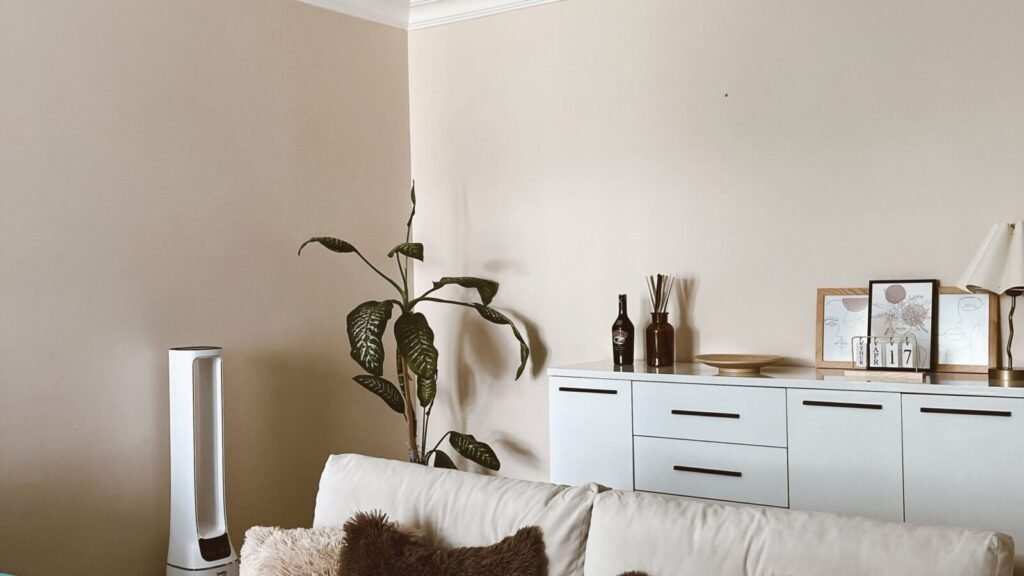
Treat the top of your sideboard like a mantel, styling it with art, lamps, greenery, and a few objects. A well-styled sideboard adds personality and a secondary focal point.
15Consider a banquette
A built-in or freestanding banquette creates cozy, space-efficient seating, especially in a corner or nook. Add cushions and pillows for a comfortable, inviting spot to gather.
16Scale the table to the room
Leave enough space to pull chairs out and walk around comfortably, ideally around three feet on each side. A table scaled to the room keeps it functional and balanced.
17Add candles for ambiance
Candles bring warmth and a soft glow that instantly makes dinners feel special. A cluster of candlesticks or tealights on the table or sideboard adds intimate atmosphere.
18Hang a gallery wall
A gallery wall in the dining room adds personality and gives the eye something to enjoy. Family photos or art make the space feel personal and welcoming.
19Mix materials for depth
Combining wood, metal, upholstery, and glass adds richness and keeps the room from feeling flat. A mix of materials gives a dining room warmth and visual interest.
20Keep centerpieces low
For everyday and entertaining alike, keep table centerpieces low enough to see over. This small detail keeps conversation flowing easily across the table.
21Make it multifunctional
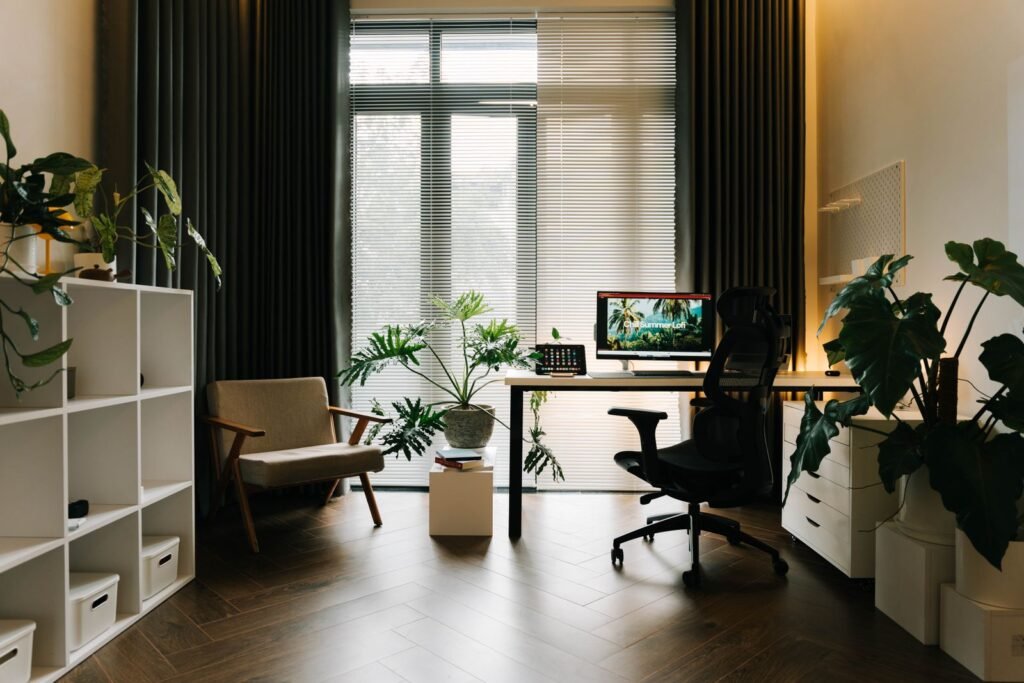
If your dining room doubles as a workspace or homework spot, plan for it with good lighting and storage. A flexible, multifunctional dining room earns its place in a busy home.
Frequently Asked Questions
How do I make my dining room feel cozy?
Use warm, dimmable lighting, add a rug and soft textiles, and choose comfortable, upholstered seating. A warm color palette, candles, greenery, and personal touches like art all help turn a functional dining area into an inviting space where people want to linger.
What size rug should I use under a dining table?
Choose a rug large enough that all the chairs stay on it even when pulled out, which usually means adding about two to three feet beyond the table on every side. This keeps the chairs stable and the arrangement looking balanced.
How big should a dining room light fixture be?
As a guide, a pendant or chandelier should be roughly one-half to two-thirds the width of your table, and hung about 30 to 36 inches above the tabletop. Scaling it to the table keeps the fixture proportional and the lighting effective.
How do I decorate a dining room?
Start with a well-scaled table and seating, then add a statement light, a rug, and a focal point such as art or a sideboard. Layer in warmth with curtains, greenery, candles, and styled decor, keeping table centerpieces low so they do not block conversation.
What can I use a dining room for besides dining?
Dining rooms often double as a workspace, homework area, craft space, or spot for games and gatherings. Planning for good lighting, comfortable seating, and some storage makes the room flexible enough to serve more than one purpose.
Final Thoughts
A warm, inviting dining room is about more than furniture; it is about creating a space where people want to gather. Start with a well-scaled table and comfortable seating, add a statement light and a rug, and layer in warmth through color, texture, and personal touches. Get the atmosphere right, and your dining room will become the heart of every gathering.
Discussion