
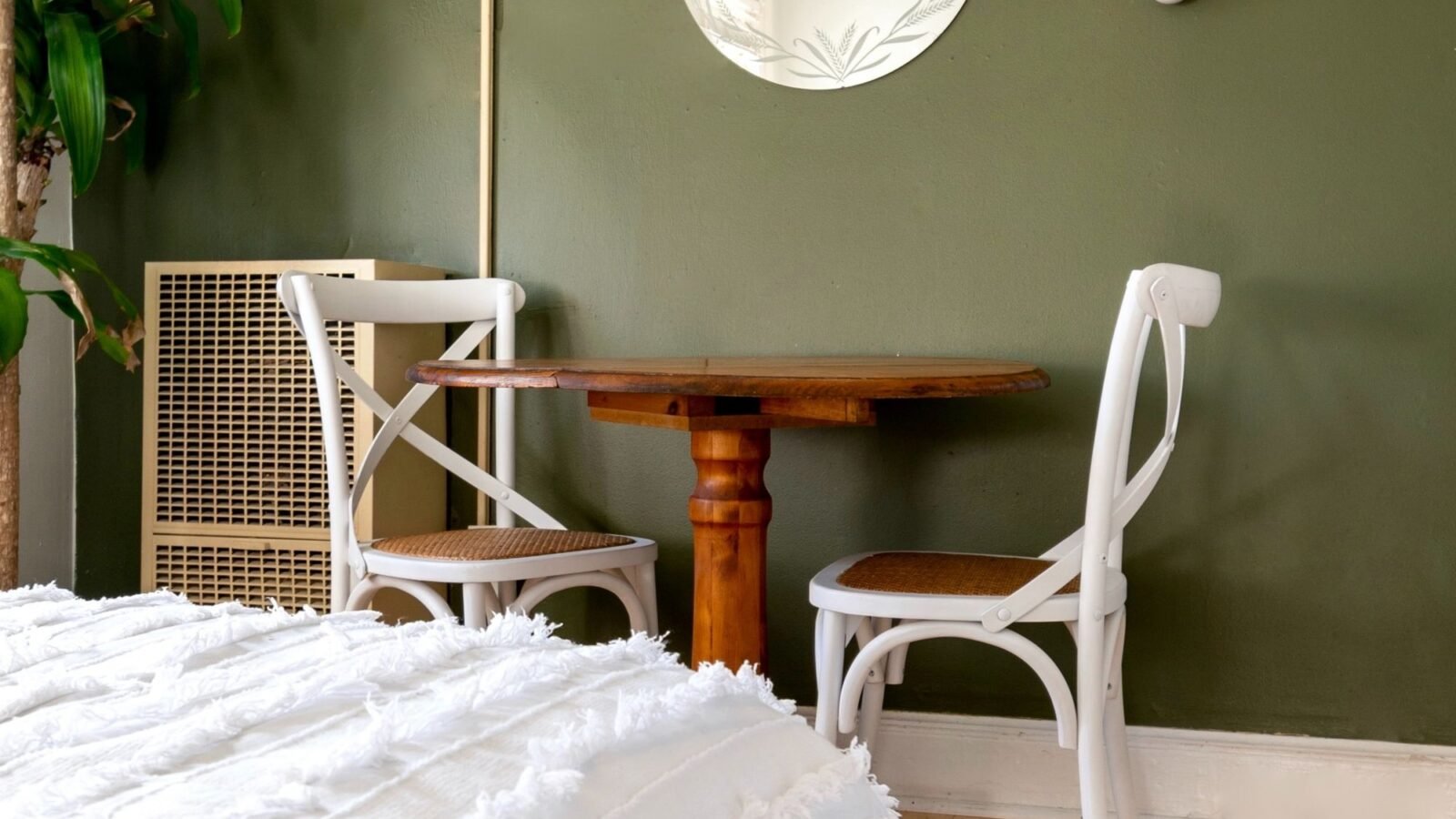
Color drenching vs accent wall decisions are about how much of the room participates in the color. An accent wall concentrates it. Color drenching extends a color or closely related tones across multiple surfaces, often including trim and sometimes the ceiling.
Neither approach guarantees that a small bedroom feels larger, cozier, or more expensive. The result depends on the color, light, architecture, and furniture you keep.
| Decision | Color drenching | Accent wall |
|---|---|---|
| Typical approach | Extend one color across several room surfaces | Concentrate color on one selected wall |
| Main effect to test | Fewer contrasting boundaries, stronger overall color | A localized focal point with visible color changes |
| Practical scope | More surfaces and product choices | Smaller area, but edges and surrounding colors matter |
Begin with the focal point you want
If the bed wall is a natural focal point, a localized color can reinforce it. If the room has many small visual breaks, a more continuous scheme may be worth testing.
Look at doors, wardrobe fronts, trim, and the ceiling separately. A single painted wall does not exist in isolation; it will sit beside all those finishes.
Do not paint built-in cabinetry or another material with wall paint simply to continue the color. Surface preparation and suitable products remain separate requirements.
When an accent wall is useful
An accent wall lets you test a stronger color within a smaller area. It can create a backdrop for a pale headboard or connect bedding to the room.
Its main limitation is the visible boundary. A dark wall ending at a bright white corner can emphasize the room’s shape rather than conceal it. That may be attractive, but it should be deliberate.
Choose the wall for its relationship to furniture and architecture, not merely because it is empty. A wall broken by several doors may not create the same coherent backdrop as an uninterrupted bed wall.
When color drenching is worth considering
A more continuous color scheme can reduce the number of contrasting edges. It may also make a color feel much more present than a sample suggests.
Try the scheme with your largest furniture and textiles before deciding. A dark bed against a similarly dark wall may need lighter bedding or another separating surface if you want its outline visible.
The term does not require using one identical paint product on every material. Walls, doors, trim, and ceilings can require different preparations and finishes, even when the color relationship is close.
Compare the project scope
List the surfaces, their condition, and whether you have permission to alter them. A rental or a room with recently finished woodwork may make a smaller reversible change more practical.
Include preparation, protection, drying, ventilation, and the product’s application instructions. A visually simple room can still be a substantial paint project.
For a first experiment, try a colored duvet or curtain alongside the proposed wall samples. Fabric is not a paint prediction, but it can help you judge your appetite for a more enveloping palette.
Test light and finish together
Sherwin-Williams explains that illumination and sheen influence how paint color appears. Use samples according to manufacturer guidance and review them in the room under normal daylight and evening lighting.
Compare the darkest corner as well as the bed wall. A scheme approved only beside the brightest window may behave differently across the room.
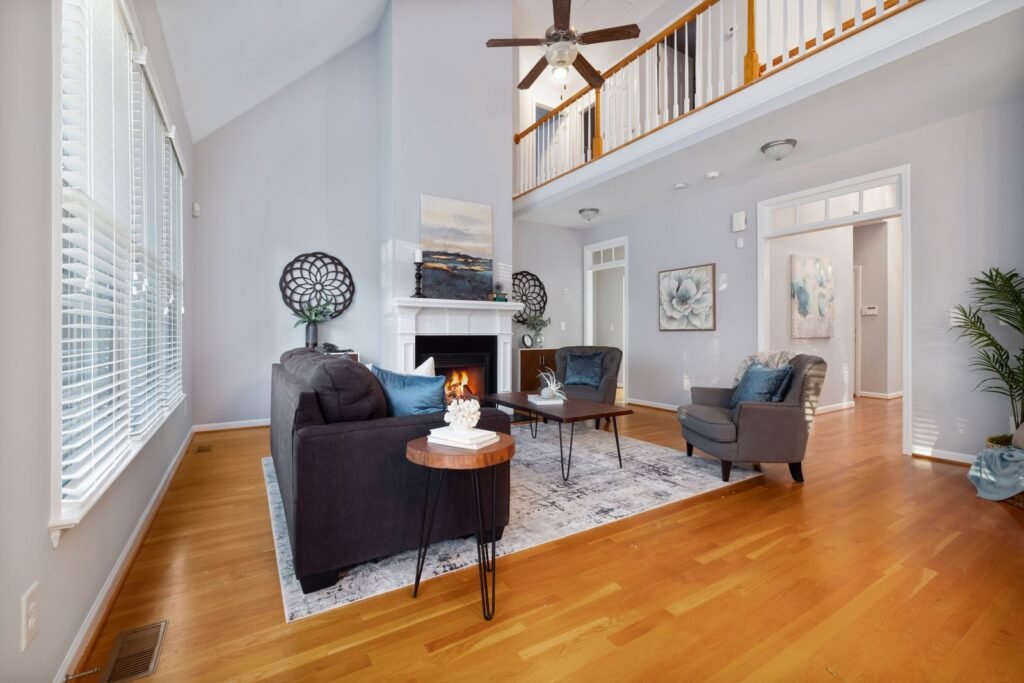
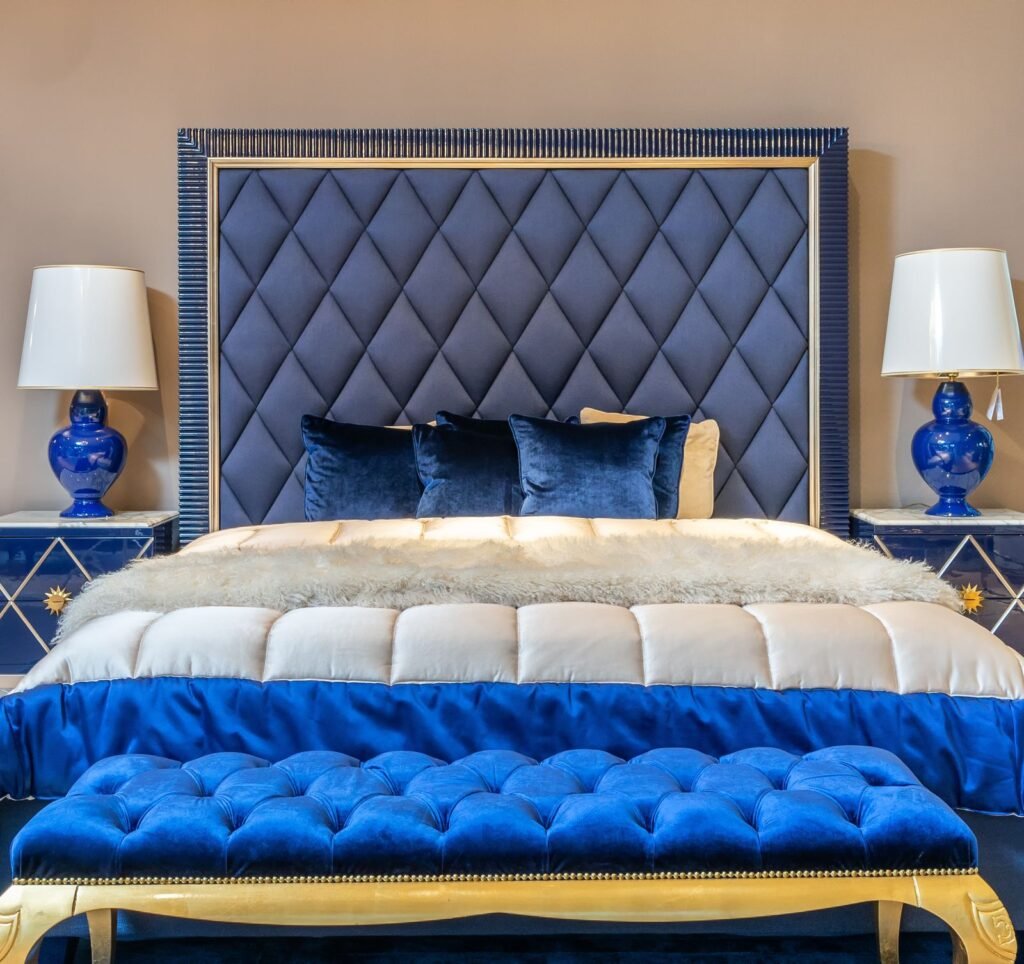
Our sage green bedrooms and navy bedroom ideas provide palettes to consider.
Common questions
Can I color drench with a pale color?
Yes. The approach concerns continuity across surfaces, not a requirement to use a dark shade.
Is an accent wall outdated?
It is a decorating method, not an expiry date. A well-chosen wall and coherent surrounding palette can make it appropriate to the room.
Which is cheaper?
Compare the actual surface area, preparation, products, and labor. A smaller painted area often means a smaller scope, but condition can change the work involved.
Choose the amount of color you want to live with
Approve the whole-room relationship, then choose the painting method. A coherent accent wall is better than an ambitious continuous scheme you have not tested.
Source: Sherwin-Williams: How Light and Finish Affect Paint Color.

Discussion