
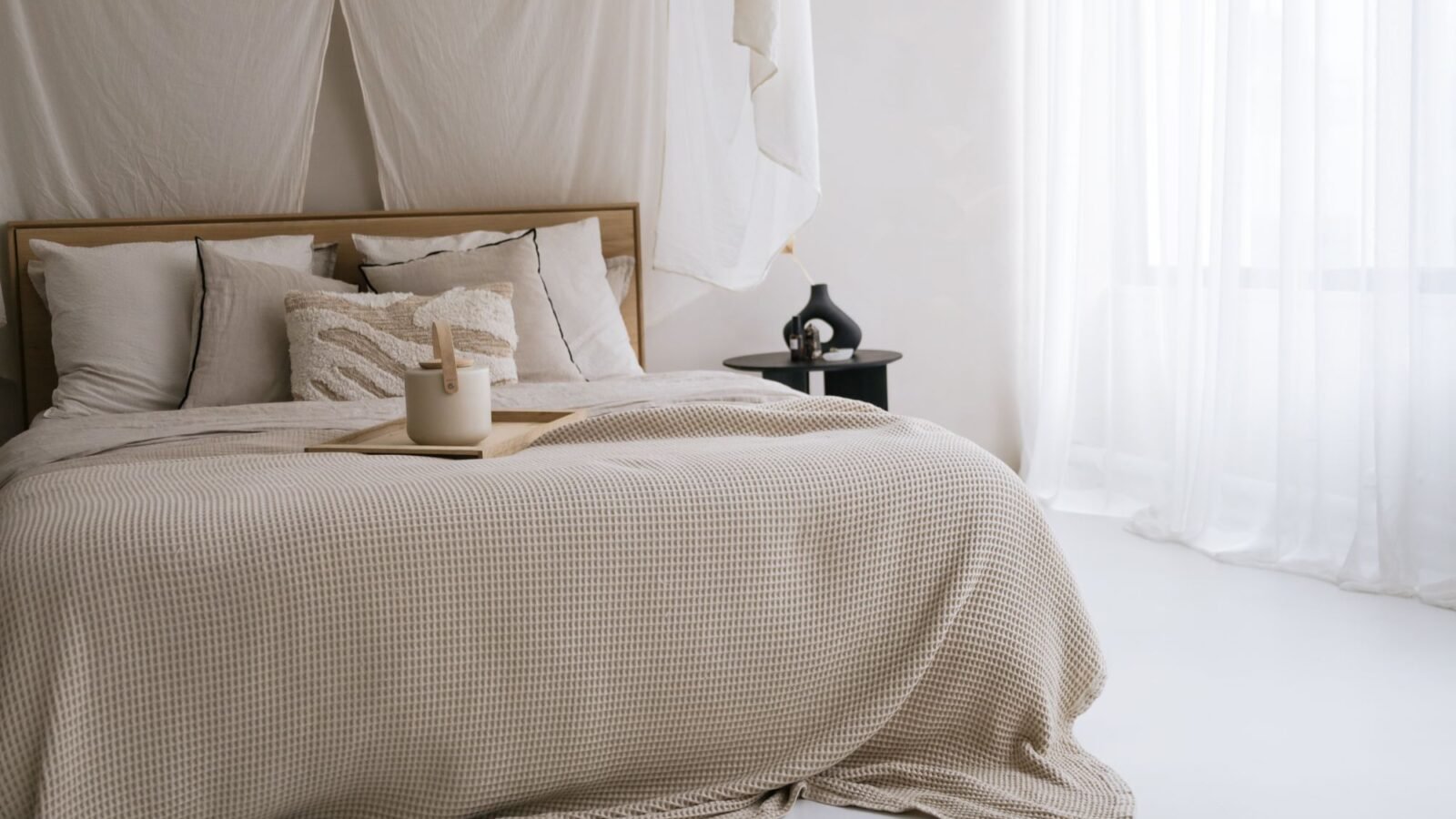
A small bedroom feels coziest when comfort comes from texture, lighting, and thoughtful scale rather than simply adding more things. The best rooms feel soft and personal while still leaving enough visual breathing room to make a compact footprint comfortable.
These cozy small bedroom ideas combine warmth with practical space-saving choices, so you can create a restful room without making it feel crowded.
1Layer warm neutral bedding
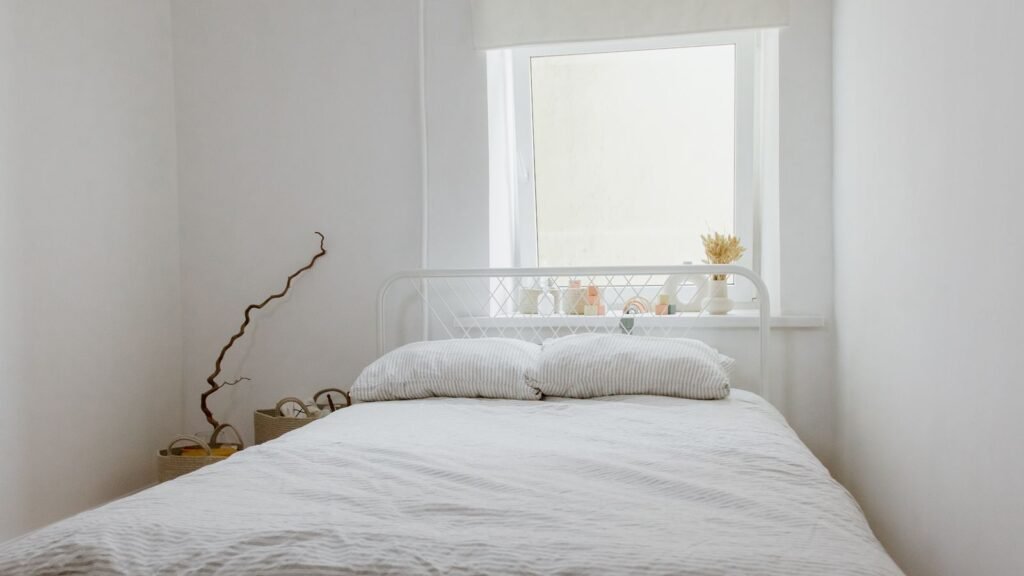
Build the bed in cream, oatmeal, taupe, and soft beige layers rather than one flat color. Start with a fitted sheet in the lightest tone, add a mid-weight quilt or duvet, then finish with one knit or quilted throw folded at the foot of the bed. Keeping the tones close together lets linen, cotton, quilting, and knits add real texture without the bed ever looking mismatched.
2Add one muted accent color
Choose a restrained accent such as sage green, dusty blue, rust, or warm brown, and settle on it before buying any smaller decor pieces. Repeating that shade in a cushion, a lamp base, and one piece of art gives the room personality without breaking it into too many visual fragments. Hold off on a second accent color until the first one feels fully worked into the space.
3Use warm bedside lighting
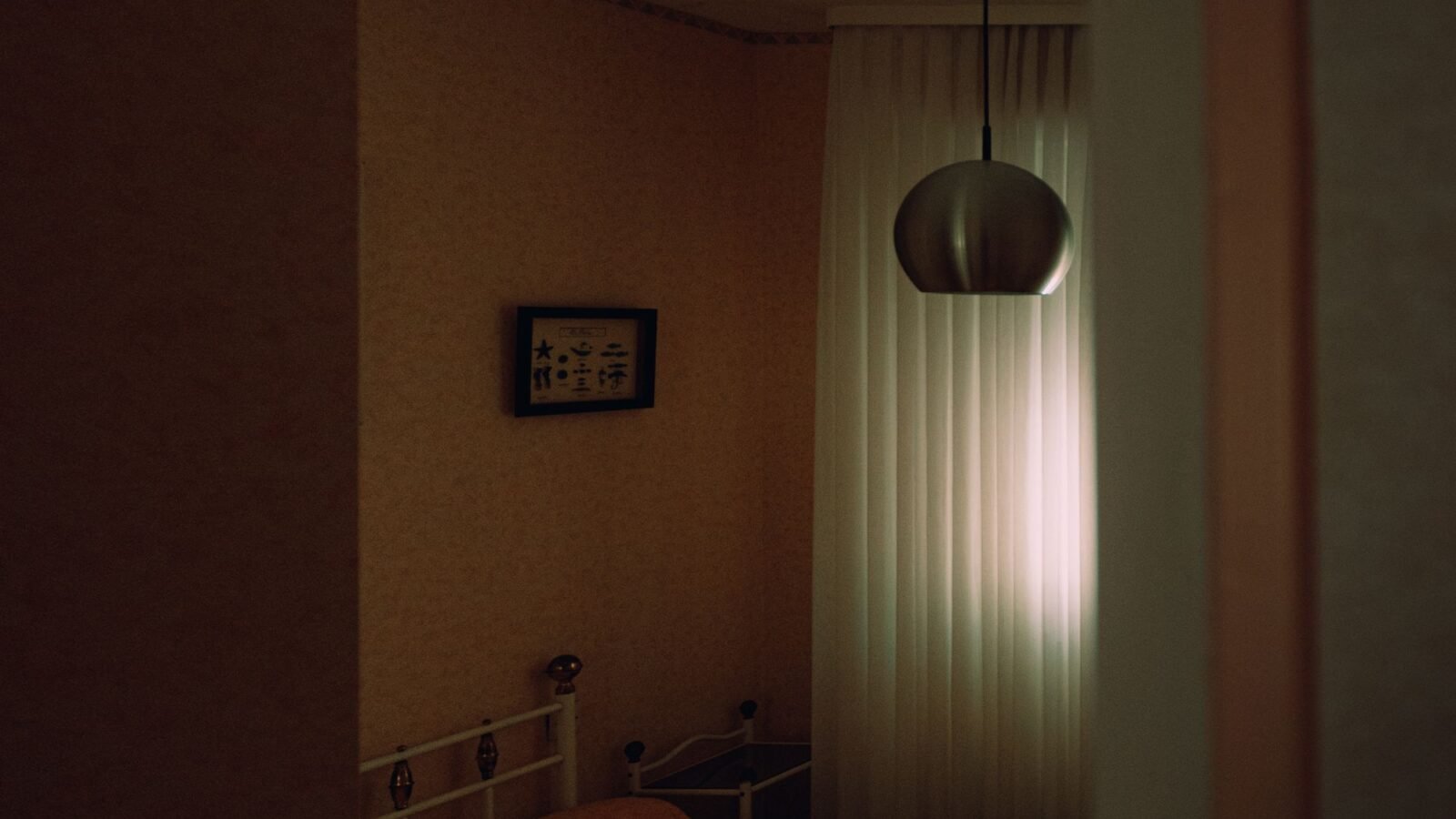
A soft bedside lamp or wall sconce creates a far more relaxing mood at night than a single bright ceiling fixture ever can. Warm bulbs make wood, linen, and neutral paint colors feel richer after dark, which is a large part of what gives a small bedroom that hygge-style sense of coziness. A dimmable lamp is worth the small extra cost if you tend to read in bed.
4Choose a soft upholstered headboard
An upholstered headboard adds comfort and softens some of the visual hardness a compact room tends to have. Pick a slim profile, generally 3 to 4 inches deep, in a light or mid-tone fabric so it feels substantial without eating into the room’s floor depth. Boucle and linen-look weaves are forgiving, low-risk choices if this is your first upholstered piece.
5Bring in natural wood
Light oak, ash, walnut, and other natural wood finishes add warmth without requiring a lot of decorative accessories to back them up. A single wood nightstand, bed frame, or small dresser can make an otherwise simple room feel more grounded. If the room already has wood flooring, choose furniture a shade lighter or darker rather than trying to match it exactly.
6Hang curtains from high on the wall
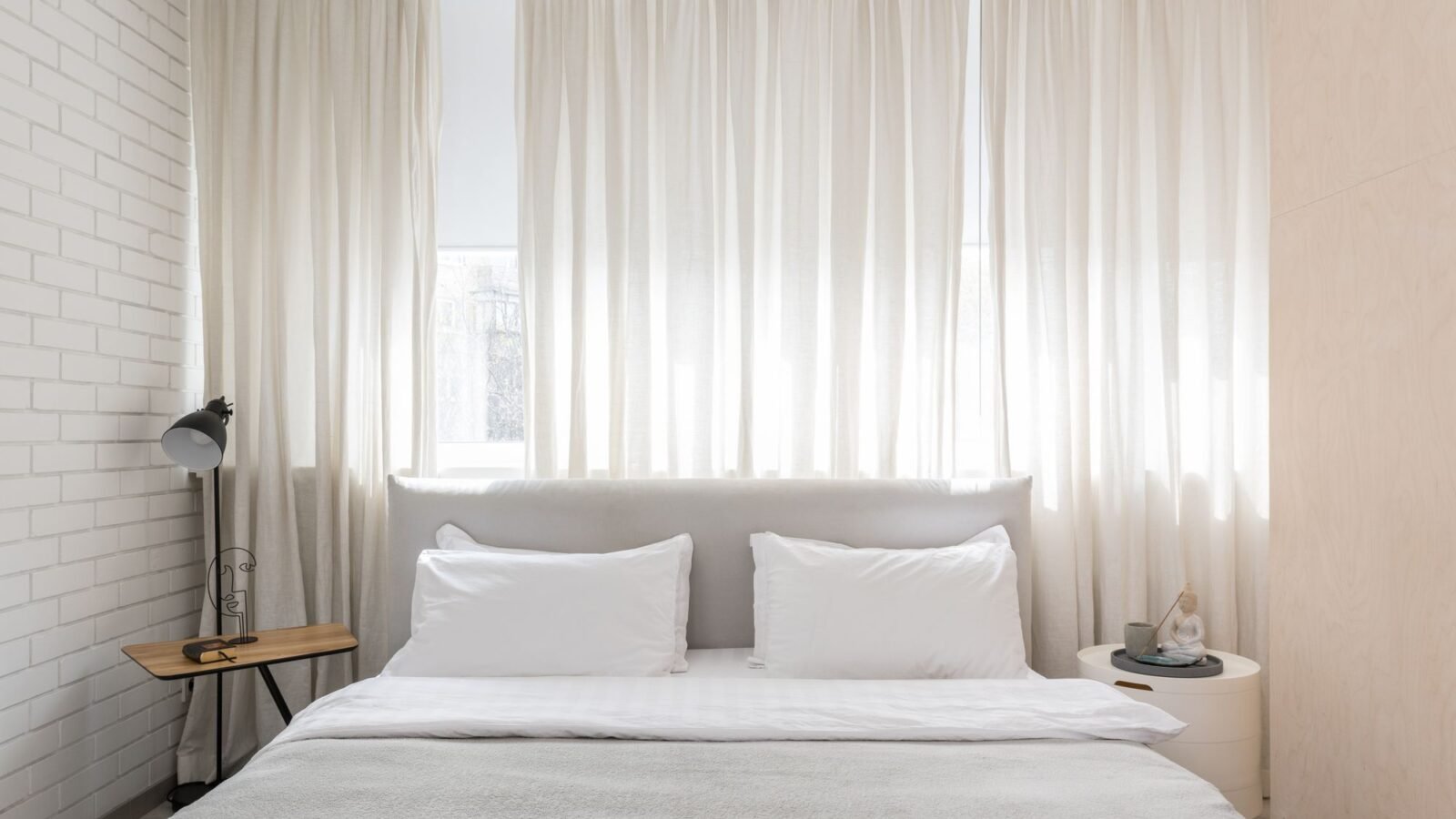
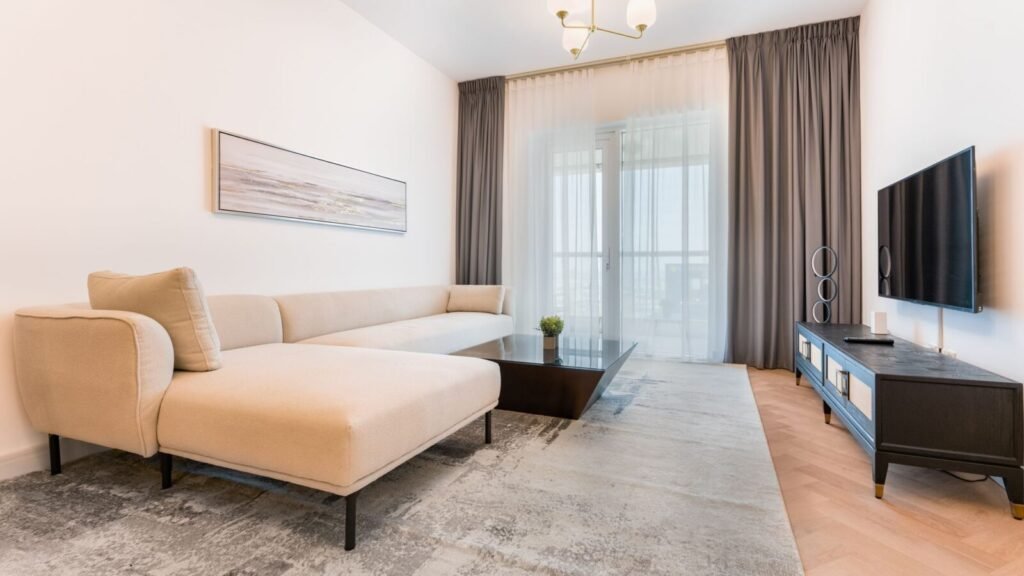
Long curtains soften a bedroom and help the walls appear taller than they actually are. Mount the rod six to twelve inches above the window frame, ideally close to the ceiling, and let the fabric fall nearly to the floor for a more finished, cocooning look. This costs nothing beyond the rod itself and makes a real difference in a lower-ceilinged room.
7Use a rug that reaches beyond the bed
A properly sized rug gives bare floors softness and helps the bed area feel anchored rather than floating in the middle of the room. Choose a rug that extends at least 18 to 24 inches beyond each side of the bed frame so it stays visible from most angles in the room. A low-contrast pattern or a tactile woven texture adds comfort without overwhelming a small floor plan.
8Keep the bed visually simple
In a small room the bed is already the dominant object, so resist the urge to pile on decorative cushions. A clean duvet, one folded throw, and two or three well-chosen pillows usually look cozier and more intentional than a large stack that has to be moved every night. Simplicity here also makes the bed faster to make, which matters more than it sounds.
9Add one piece of calming artwork
One larger print or painting above the bed can create a focal point without adding clutter to the walls. Landscapes, abstract forms, botanical studies, and softly colored photography all work well in restful bedrooms because they avoid sharp contrast or busy detail. Hang the piece so its center sits roughly at eye level when you are seated on the bed.
10Use floating bedside surfaces
A floating nightstand keeps the floor visible underneath it and gives a small room a noticeably lighter look than a boxy cabinet would. Even a narrow wall shelf, six to eight inches deep, can hold a book, a glass of water, and one small decorative object. This works especially well beside a bed pushed against a wall with limited floor space.
11Install wall sconces
Wall-mounted lighting frees up bedside surface space and gives the room a more tailored, finished feel. Swing-arm or adjustable sconces are particularly useful when the nightstand is tiny or doubles as extra storage. Position them so the light falls just above shoulder height when you are sitting up in bed.
12Create a quiet reading corner
If there is a spare corner, even a narrow one, a compact chair, a floor cushion, or a small bench can make the room feel more lived-in and personal. Keep the scale modest, a single chair and a small side table is usually enough, and avoid blocking the main walking path between the door and the bed. One dedicated reading light nearby completes the corner.
13Use baskets for soft-looking storage
Woven baskets hide practical items while adding texture that a plastic bin never quite manages. Use them under the bed, on an open shelf, or beside a dresser for extra blankets, laundry, or accessories that would otherwise create visual clutter. Seagrass and rattan baskets in particular pick up the same warmth as wood furniture.
14Add a small plant or branch
A little greenery brings life to a neutral room and softens the hard edges of furniture and window frames. Choose one easy-care plant, such as a pothos or snake plant, or a simple vase of leafy branches rather than filling every surface with small pots. One well-placed plant does more for the room than five scattered ones.
15Style the nightstand lightly
A lamp, one book, and a small tray or vase are usually enough to make a nightstand feel styled rather than staged. Leaving some clear surface keeps the room feeling calmer and keeps the bedside space genuinely useful at eleven at night when you actually need it. Resist the temptation to display everything you own on such a small surface.
16Use closed storage where possible
Drawers, cabinet doors, boxes, and baskets help a small bedroom feel restful because everyday items disappear from view instead of collecting on visible surfaces. Save open shelving for a handful of decorative pieces rather than routine items like chargers or folded laundry. A room with less visible stuff tends to read as larger than its actual square footage.
17Choose soft wall colors
Warm ivory, mushroom, pale taupe, muted green, and soft greige can create a cocooning effect without making a small room feel dark or closed in. Test paint samples in both daylight and evening lamp light before committing, since warm colors shift more than you would expect under artificial light. A sample pot on the wall for a few days is worth more than any online color preview.
18Add texture instead of more color
Boucle, linen, wool, woven cane, and subtle wood grain make a neutral room genuinely interesting without adding another color to keep track of. Texture is especially useful in small bedrooms because it adds visual depth without the kind of visual noise that patterns or bright accents can create. Aim for at least three different textures somewhere in the room.
19Keep window treatments light
Heavy curtains can make a tiny room feel enclosed rather than cozy, which is the opposite of what most small bedrooms need. Use soft linen-look panels, a simple roman shade, or light-filtering sheers that provide privacy while still letting daylight keep the space feeling open. Save heavier blackout fabric for a liner behind a lighter-looking curtain if you need to block more light.
20Hide technology when you can
Visible cords, chargers, and multiple devices can quickly disrupt what would otherwise be a calm bedroom. Use cable clips along the back of the nightstand, a small charging drawer, or one dedicated charging point so plugs and cables stay out of sight. A bedroom that is visually quiet at night tends to feel more restful even before you turn off the light.
21Leave a little empty space
Not every wall, shelf, or corner needs to be filled just because the room is small. A few open areas make the cozy elements you did choose feel intentional, and help a small bedroom stay restful rather than crowded. If you are unsure whether to add one more object, it is usually safer to leave the space alone.
Related ideas: 25 Small Bedroom Ideas to Make a Tiny Space Feel Bigger · 21 Sage Green Bedroom Ideas for a Calm and Cozy Space · 21 Modern Bedroom Ideas for a Calm, Clean, and Comfortable Space
Final Thoughts on Cozy Small Bedroom Ideas
A cozy small bedroom works best when warmth and simplicity are balanced rather than competing with each other. Start with the bed, lighting, and storage, then add only the textures and personal details that make the room feel comforting without reducing its sense of space. Try these cozy small bedroom ideas gradually, a layer or two at a time, rather than all in one afternoon.
Discussion