
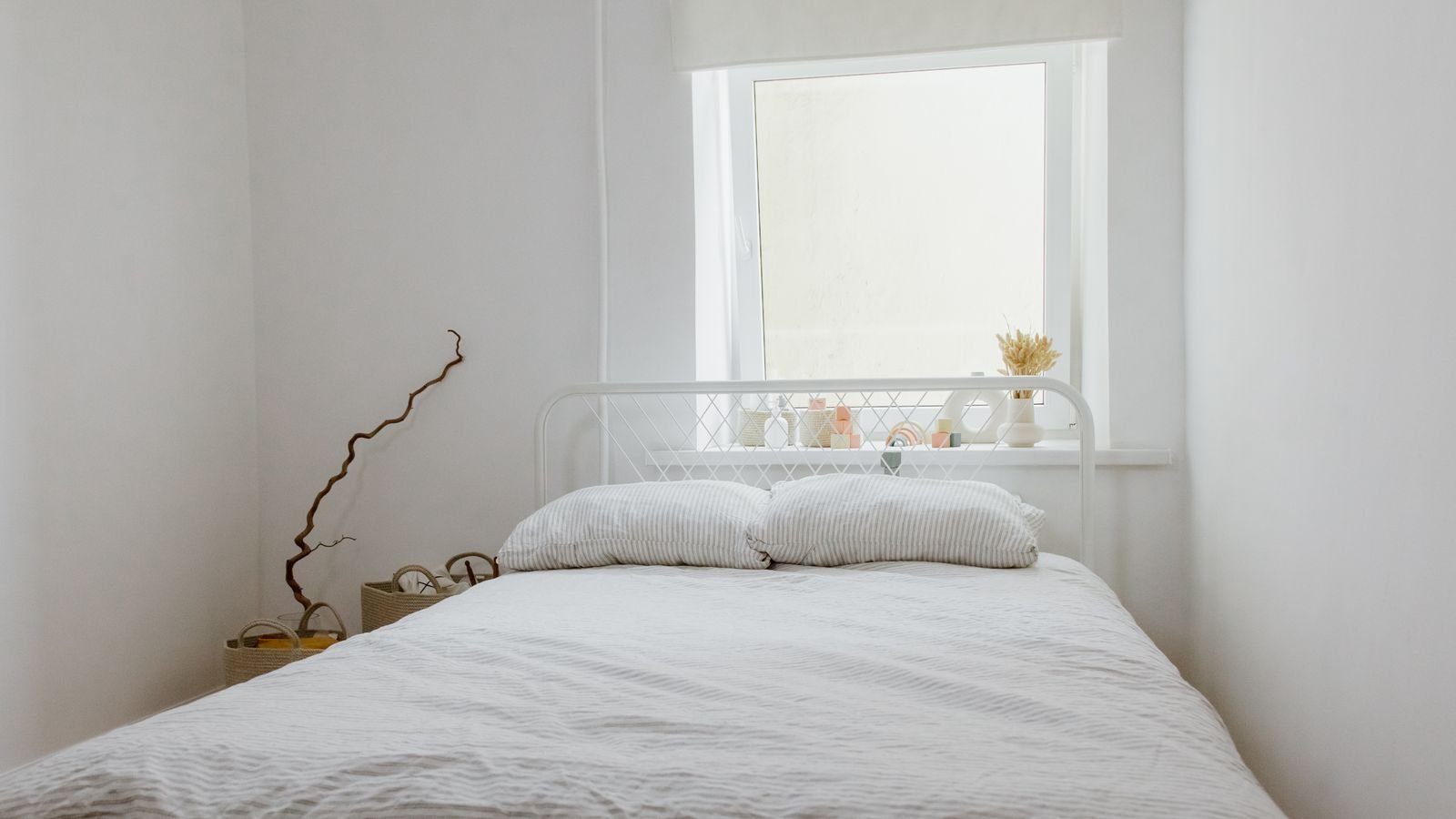
A small bedroom can still feel calm, comfortable, and beautifully put together. The key is not trying to squeeze more into the room, but choosing furniture, colors, storage, and styling details that make the space work harder without making it feel crowded.
These small bedroom ideas focus on practical changes that can help a compact room feel more open while keeping it warm and inviting. Some ideas create extra storage, some improve visual flow, and others simply make the room feel lighter and more intentional.
1Start With a Light, Warm Color Palette
Light walls reflect more daylight and can make the boundaries of a small bedroom feel less pronounced. Warm ivory, soft cream, pale beige, and gentle greige are especially useful because they brighten the room without making it feel cold or stark.
Keep larger surfaces relatively quiet, then introduce personality through bedding, artwork, or one muted accent color. A small amount of sage green, dusty blue, terracotta, or warm brown can add depth without visually shrinking the room.
2Choose the Right Bed Size for the Room
A bed that overwhelms the floor plan can make even a well-decorated bedroom feel cramped. Before choosing furniture, measure the room and make sure there is enough space to move comfortably around the bed and open drawers, wardrobes, and doors.
If a queen bed leaves almost no circulation space, a smaller bed may create a noticeably calmer layout. In a guest room or very compact apartment bedroom, a full or double bed can sometimes provide a better balance between comfort and usable floor space.
3Use a Storage Bed
When floor space is limited, the area underneath the mattress is valuable storage territory. A platform bed with built-in drawers can hold extra bedding, seasonal clothing, shoes, or other items that would otherwise require another chest or cabinet.
Choose a storage bed with clean lines and a finish that blends with the rest of the room. Keeping storage integrated into the largest piece of furniture reduces the number of separate pieces competing for space.
4Replace Bulky Nightstands With Floating Ones
Floating nightstands provide a useful bedside surface without adding visual weight at floor level. Even a small wall-mounted shelf can hold a phone, book, glass of water, or compact lamp while leaving more of the floor visible.
That open space underneath makes cleaning easier and creates a lighter look. For extra function, choose a floating nightstand with one shallow drawer so small essentials can stay hidden.
5Mount Bedside Lighting on the Wall
Wall-mounted sconces are one of the simplest ways to free up a small nightstand. They remove the need for a table lamp while still giving you focused light for reading and softer illumination in the evening.
Adjustable sconces are particularly practical in compact rooms. Choose a design with a slim profile and position it so the light is comfortable from bed without projecting too far into the room.
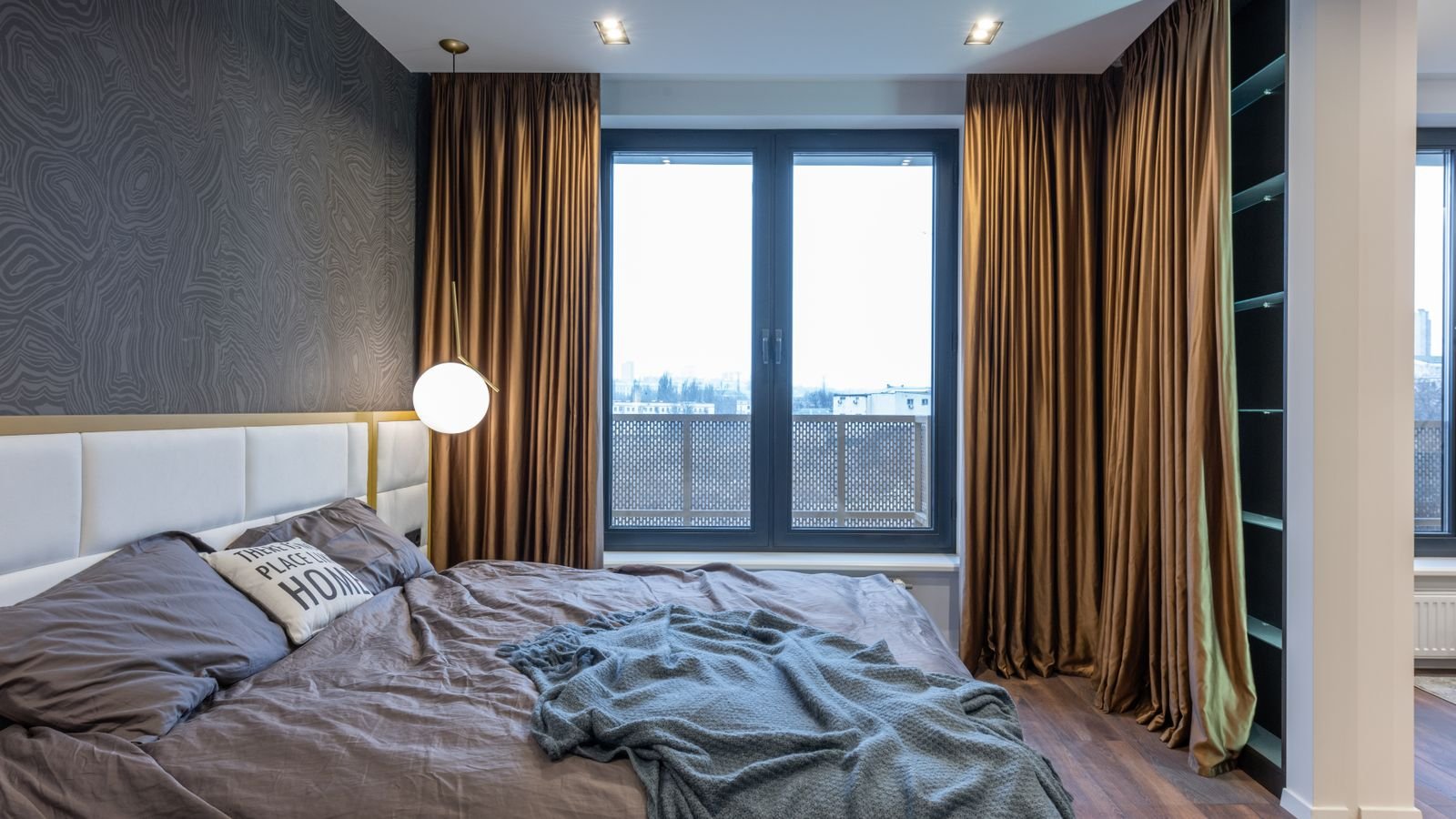
6Hang Curtains Close to the Ceiling
Installing curtain rods higher than the window frame draws the eye upward and makes the wall appear taller. Letting the curtains fall almost to the floor creates a long vertical line that can make a small bedroom feel more elegant and spacious.
Use lightweight curtains in a color similar to the walls if you want the most seamless effect. Linen-look panels or soft sheers can filter daylight while keeping the room bright.
7Use a Large Mirror to Reflect Light
A well-placed mirror can visually extend a small bedroom by reflecting both light and part of the room itself. Positioning a mirror near or across from a window often produces the strongest effect.
Instead of scattering several tiny mirrors around the room, consider one larger piece with a simple frame. A tall leaning mirror, full-length wall mirror, or wide mirror above a dresser can become both a practical feature and an attractive focal point.
8Keep the Window Area as Open as Possible
Natural light is one of the best assets a small bedroom can have, so avoid blocking the window with tall furniture or heavy layers of decor. Keeping the area around the window relatively clear allows daylight to travel farther into the room.
If privacy is needed, use light-filtering curtains, a simple shade, or layered window treatments that can be fully opened during the day. The brighter the room feels, the less enclosed it tends to look.
9Choose Furniture With Slim Profiles
Chunky furniture can quickly dominate a small bedroom. Look for pieces with narrower frames, simple fronts, and legs that lift them slightly off the floor. A slim dresser or compact bedside table can offer plenty of function without making the room feel overfilled.
Furniture does not need to be miniature, but its proportions should suit the space. Clean silhouettes and a little visible floor underneath larger pieces help the whole room feel lighter.
10Use Vertical Storage
When you cannot add more floor space, use more of the wall. Tall narrow bookcases, shelving units, and wall-mounted storage can hold books, baskets, and decorative pieces without taking up the footprint of a wide cabinet.
Keep the highest shelves visually simple so the room does not feel top-heavy. A few neatly arranged items are usually more effective than filling every shelf from edge to edge.
11Take Wardrobes All the Way to the Ceiling
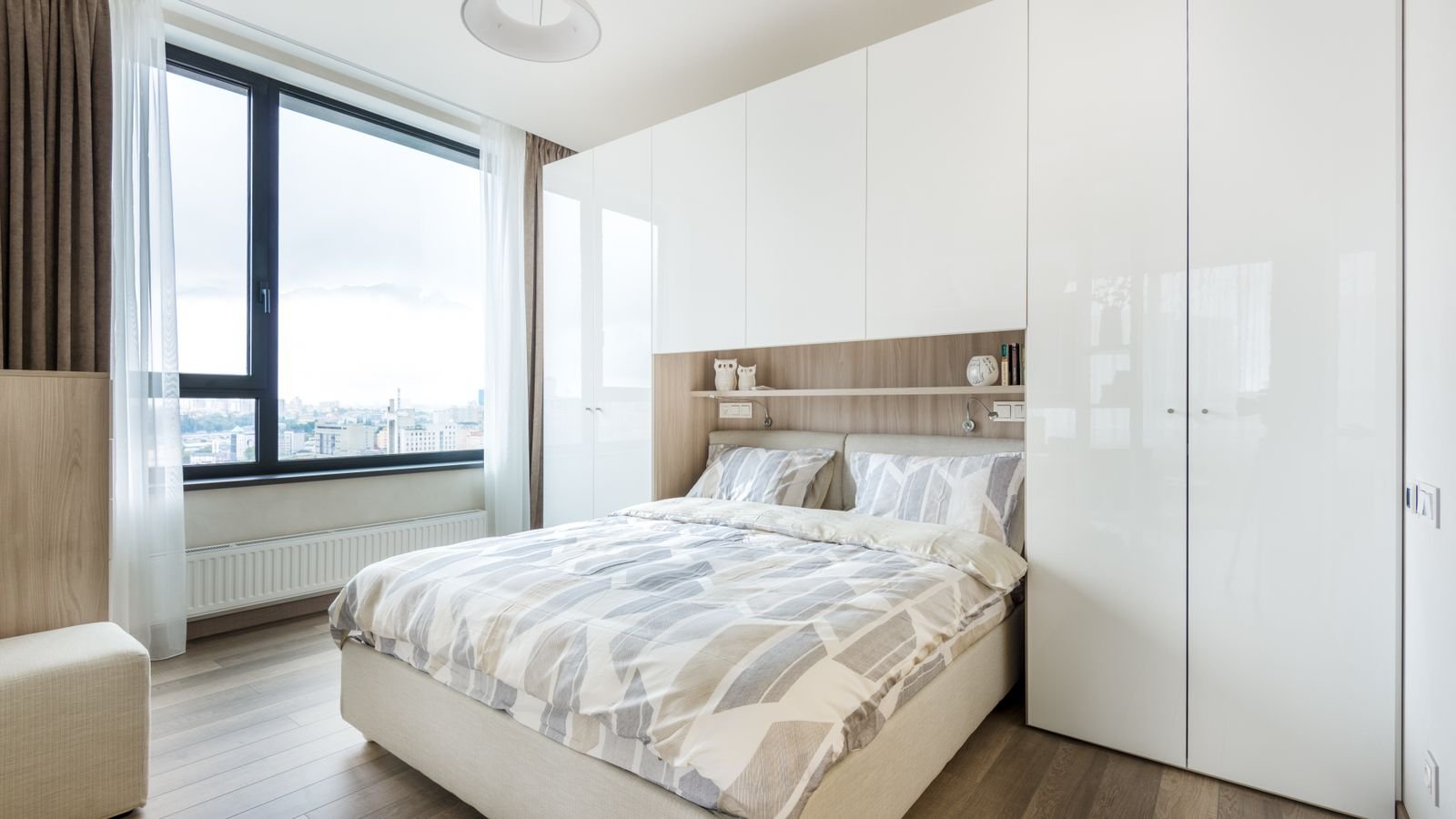
If you are installing a wardrobe or built-in storage, extending it upward can make better use of the room than stopping several feet below the ceiling. The upper cabinets are ideal for suitcases, seasonal bedding, or items you do not need every day.
Using doors in a color close to the wall helps a tall wardrobe blend into the architecture instead of appearing like a large separate object.
12Add Under-Bed Baskets for Easy Storage
If your bed does not have built-in drawers, low baskets or lidded boxes can turn the empty space underneath into useful storage. This is a simple option for renters because it requires no permanent changes.
Choose matching baskets or containers so the storage looks intentional when it is visible. Avoid overstuffing them; a neat, consistent row creates a much calmer impression than a mix of random boxes.
13Use One Larger Rug Instead of Several Small Ones
A rug that is too small can visually break the floor into separate pieces. In a compact bedroom, one appropriately sized rug under the bed can unify the layout and make the space feel more finished.
Choose a subtle pattern or low-contrast texture if the room already has several decorative elements. Natural woven rugs and softly patterned neutral rugs add warmth without making the floor feel busy.
14Keep Bedding Layered but Tonal
A cozy bed does not need lots of competing colors and patterns. Layering cream, oatmeal, beige, soft taupe, or muted green creates texture while keeping the visual effect calm.
Use variation in materials instead of relying only on color: washed linen, cotton, a lightly textured quilt, and a knitted throw can make the bed inviting without overwhelming the room.
15Limit the Number of Accent Colors
Too many unrelated colors can make a small room feel visually fragmented. A simple palette of one main neutral, one secondary neutral, and one or two accent colors usually creates a more spacious and cohesive result.
Repeat the accent color in just a few places, such as pillows, artwork, a throw, or a small decorative object. This creates rhythm without turning every surface into a focal point.
16Choose a Dresser That Doubles as a Bedside Surface
Multipurpose furniture is especially valuable in a small bedroom. If the room layout allows it, place a compact dresser beside the bed and use the top as a nightstand.
This removes the need for an extra piece of furniture while still giving you drawer storage and a convenient bedside surface. Keep the top edited so it remains functional rather than becoming another clutter zone.
17Turn a Small Desk Into a Dual-Purpose Station
If you need a workspace in the bedroom, look for a narrow desk that can also function as a vanity or occasional bedside surface. A wall-mounted desk or slim console can provide enough room for a laptop without taking over the room.
Pair it with a chair or stool that can tuck completely underneath. That keeps the walkway clear when the desk is not in use.
18Use Corners More Intentionally
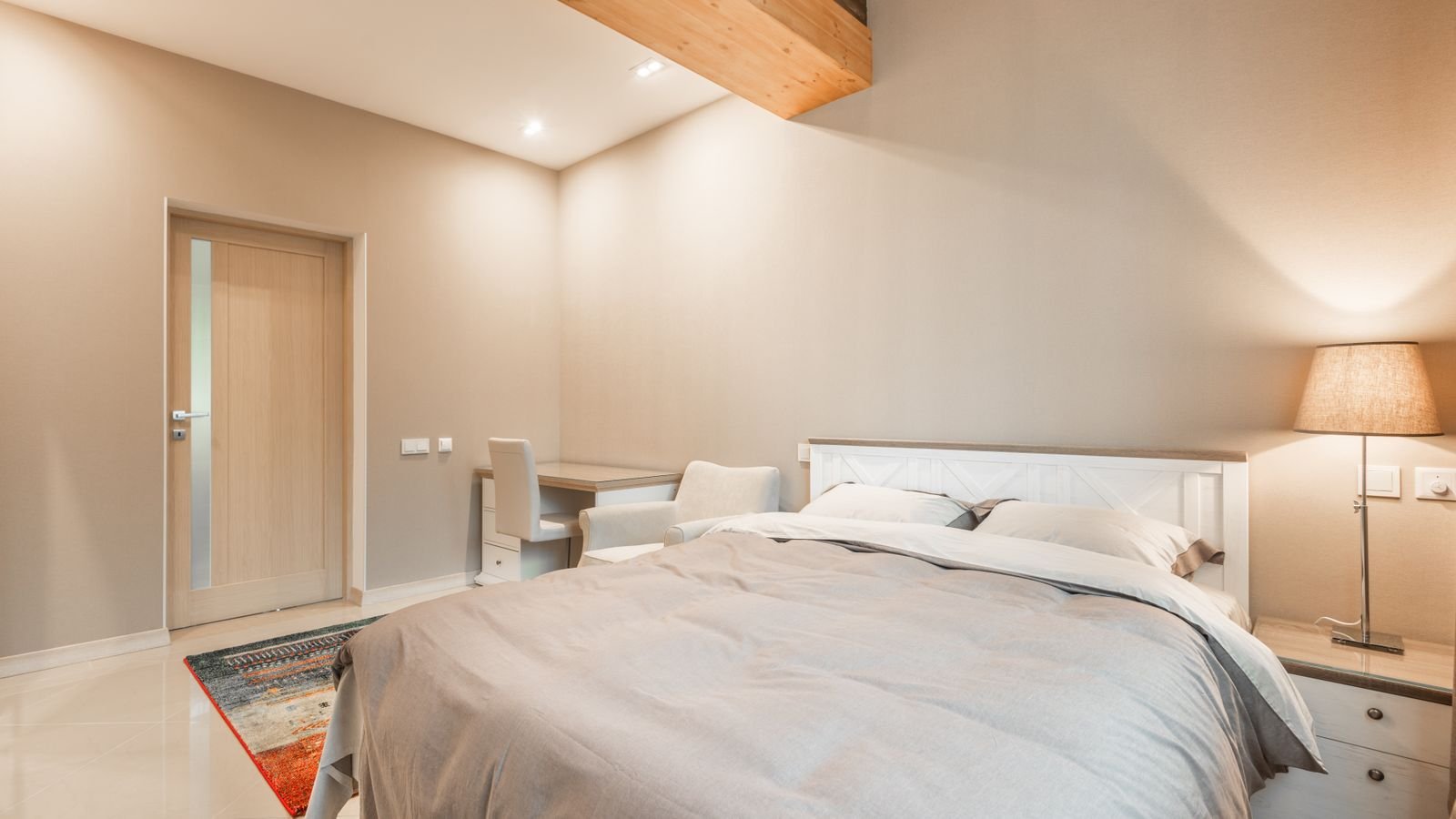
Small bedrooms often have corners that are too narrow for standard furniture but still useful. A corner shelf, small wall hooks, narrow plant stand, or compact reading light can turn an awkward area into functional space.
The goal is not to fill every corner. Use these areas only when they solve a real need, and leave some negative space so the room can still breathe.
19Add Hooks Instead of Another Storage Piece
Wall hooks can handle frequently used items without requiring another rack or cabinet. Use them for a robe, tote bag, hat, lightweight jacket, or tomorrow’s outfit.
Choose a small coordinated set and install it where it will not interfere with doors or walkways. Hooks work especially well behind a door or on a narrow wall that cannot accommodate furniture.
20Use the Back of the Door
The back of a bedroom or closet door is often overlooked. A slim over-door organizer, a few hooks, or a hanging rail can provide useful storage without taking any floor space.
Keep this area organized and relatively flat so the door still opens comfortably. It is best for lightweight items rather than bulky storage that makes the room feel crowded when the door is open.
21Keep Frequently Used Surfaces Clear
A small room feels cramped much faster when every horizontal surface is covered. Nightstands, dressers, desks, and shelves should have enough clear space to remain useful.
Use trays, drawer organizers, and small boxes to contain everyday items. A little visible breathing room on each surface has a surprisingly strong effect on how spacious the bedroom feels.
22Use Closed Storage for Visual Clutter
Open shelving is attractive when carefully styled, but too much of it can make a compact bedroom feel busy. Mix open display areas with drawers, doors, baskets, or boxes so practical belongings can be hidden.
Save the visible shelves for a limited number of things you enjoy looking at. Closed storage helps the eye move through the room without stopping at dozens of small objects.
23Leave a Clear Walking Path
A bedroom feels larger when the circulation route is obvious. Try to keep a clear path from the doorway to the bed, wardrobe, and window instead of making people weave around furniture.
If a chair, bench, or storage piece interrupts the main walkway, consider moving or removing it. Improving the flow of the room can make a bigger difference than adding more decorative features.
24Create One Strong Focal Point
A small bedroom does not need several statement features. One focal point gives the eye somewhere to land and allows the rest of the space to stay quieter.
The focal point might be a softly colored headboard, one piece of artwork, a subtle accent wall, or beautiful layered bedding. Keeping everything else restrained prevents the room from feeling visually competitive.
25Edit the Room Before Adding More
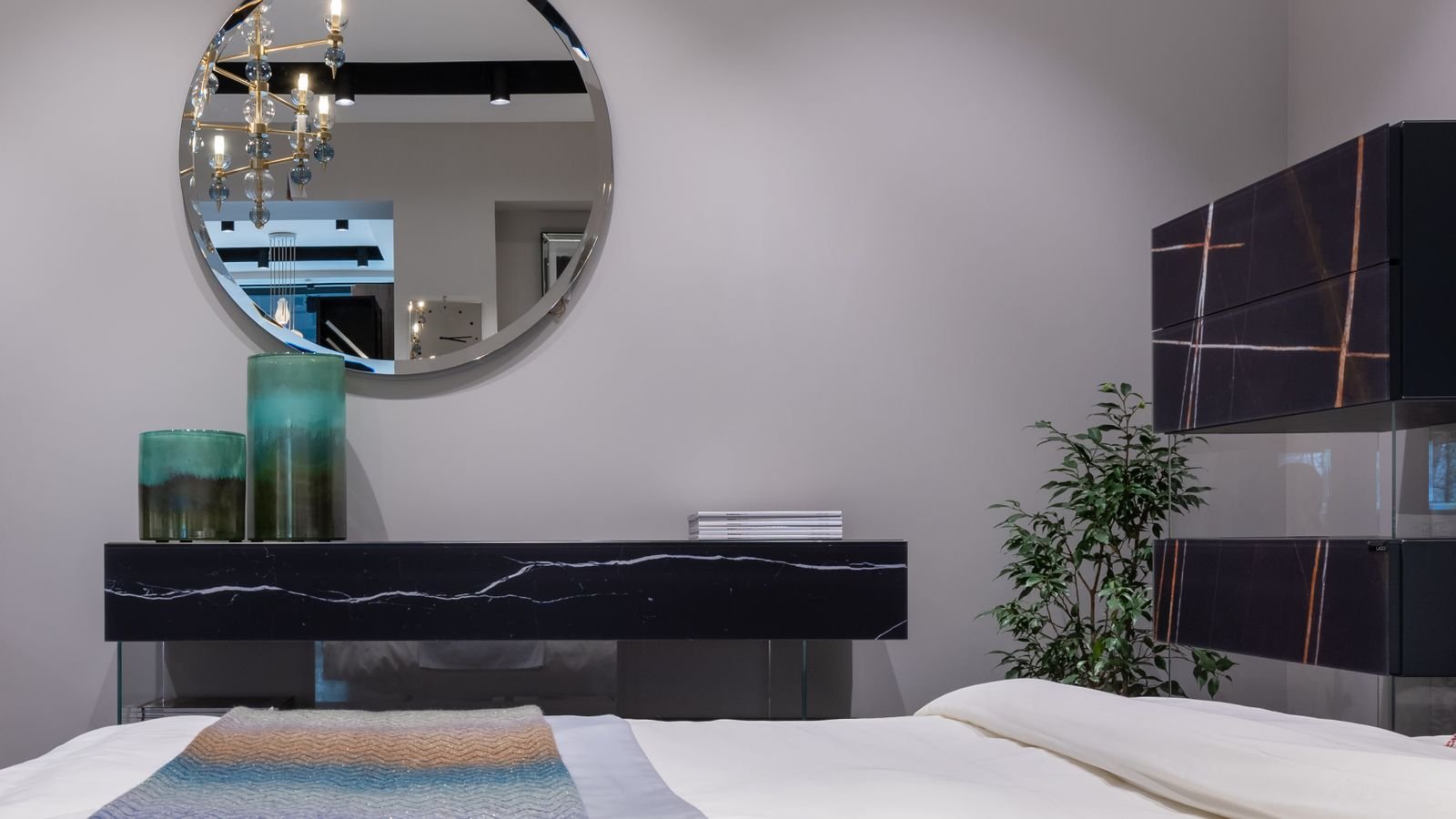
One of the most effective small bedroom ideas borrows straight from minimalism and costs nothing: remove anything that is not helping the room function or feel better. Extra furniture, duplicate storage, unused decor, and clothing that has no proper home can quickly reduce the sense of space.
Once the room is edited, add back only what you genuinely use or love. A small bedroom does not need to feel empty, but every item should earn its place.
Related ideas: 21 Cozy Small Bedroom Ideas for a Warm and Relaxing Space · 25 Small Apartment Living Room Ideas That Make the Most of Every Inch · 21 Sage Green Bedroom Ideas for a Calm and Cozy Space
Final Thoughts on Small Bedroom Ideas
Making a small bedroom feel bigger is less about following one design rule and more about combining several thoughtful choices. Light colors, appropriately scaled furniture, vertical storage, hidden organization, good lighting, and a clear layout can all help a compact room feel easier to live in.
Start with the changes that solve your biggest problem first. If storage is the issue, focus on the bed and walls. If the room feels dark, improve the window treatment, mirrors, and palette. A few well-planned updates can make even a very small bedroom feel calm, cozy, and intentionally designed.
Discussion