
Backyard privacy does not have to mean building the tallest solid fence possible. The most comfortable outdoor spaces often use a combination of fencing, planting, screens, and layout changes to reduce direct views while keeping the yard pleasant and open.
These backyard privacy ideas include permanent and flexible options for patios, decks, small yards, and larger gardens.
1Use a solid wood fence
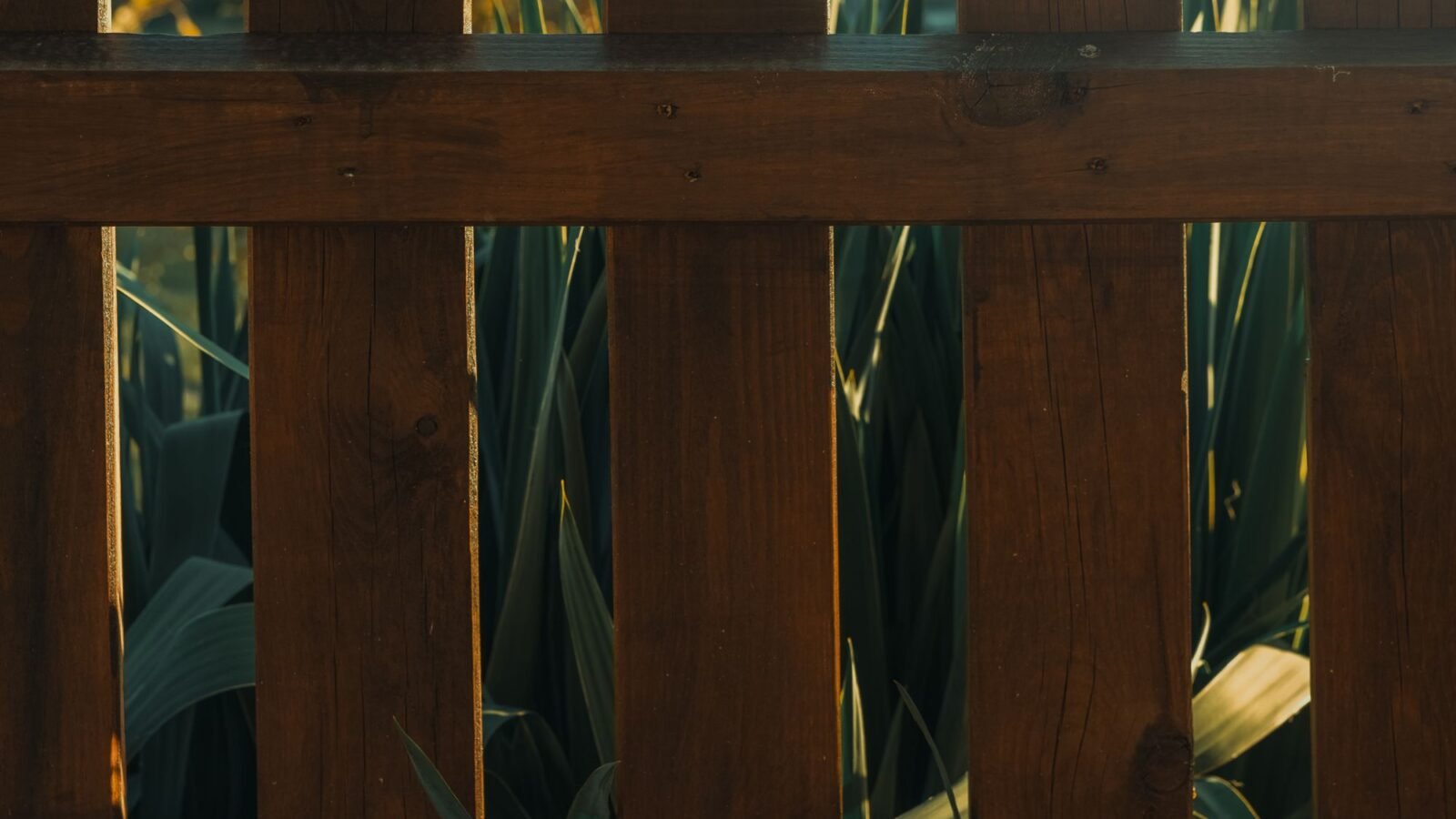
A well-built privacy fence creates immediate screening and a clear, defined boundary for the property. Choose a finish that complements the house and always check local height and setback rules before building, since requirements vary widely by area.
2Add horizontal slat screening
Horizontal slats create a clean, modern look and can screen specific sightlines without fully enclosing the entire yard. Adjust the spacing between slats depending on how much privacy you actually need versus how much airflow and light you want to keep.
3Grow a hedge
Dense evergreen or semi-evergreen hedging can create a softer, living screen than any fence. Choose plants appropriate to your climate and allow enough width for mature growth, since a hedge planted too close to a boundary often needs replacing later.
4Plant small privacy trees
Columnar or narrow-canopy trees can block upper-level views without consuming nearly as much ground space as broader trees. Position them to address the most exposed sightlines first, rather than spacing them evenly around the whole yard.
5Use tall ornamental grasses
Grasses provide seasonal screening along with movement and texture that a solid fence cannot offer. They work particularly well around patios and can feel visually lighter than a completely solid barrier.
6Add a trellis with climbers
A trellis supports vines and creates real vertical privacy within a narrow footprint. Use it beside seating areas or along a boundary where a full fence would feel like overkill.
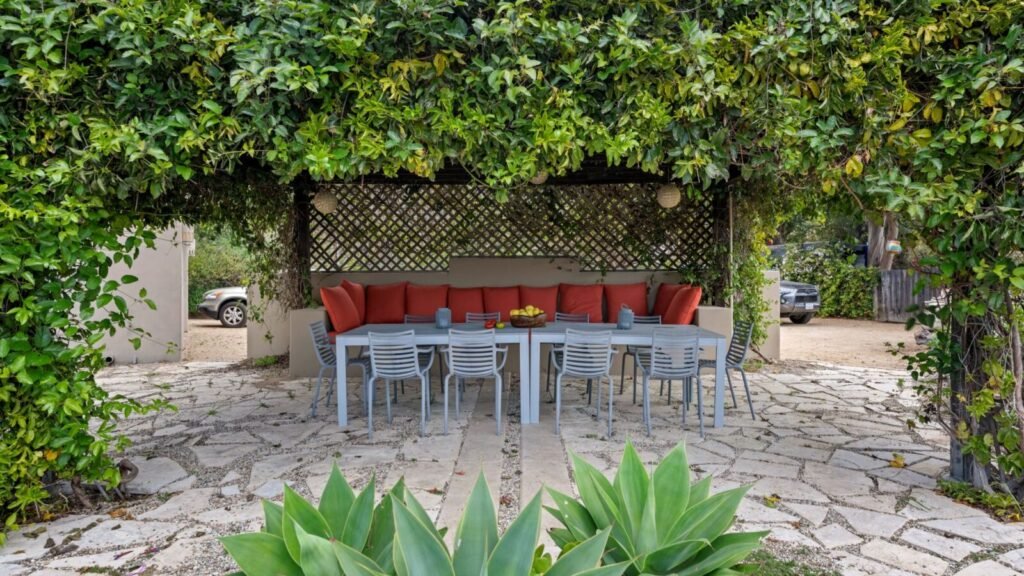
7Create a pergola with side screens
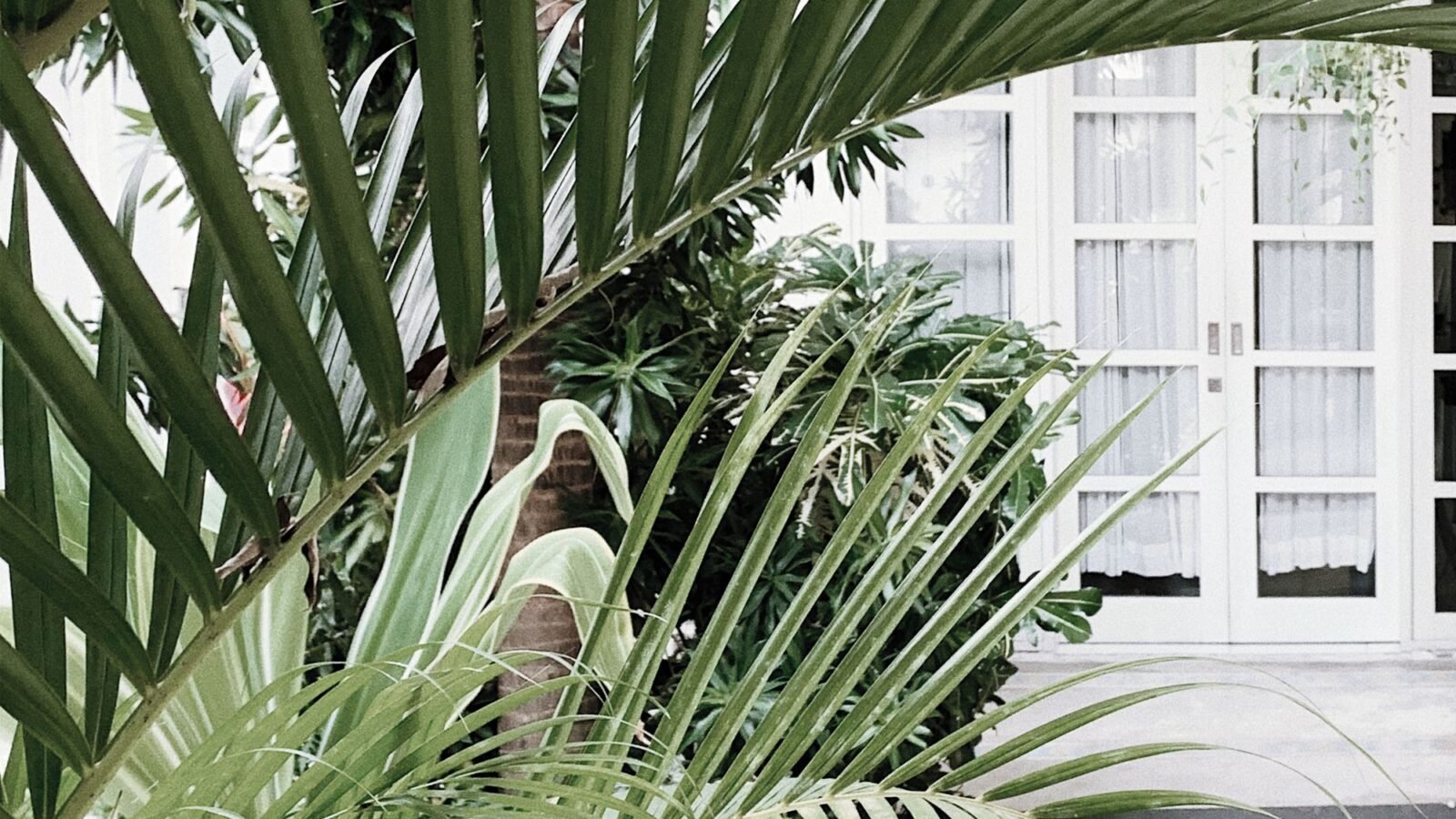
A pergola can provide overhead structure while curtains, slatted panels, or climbing plants screen one or two exposed sides. This combination often solves both shade and privacy at the same time, which a fence alone cannot do.
8Use outdoor curtains
Weather-resistant curtains are genuinely flexible around covered patios and pergolas. They can be opened when privacy is not needed and closed for dining or relaxing without any permanent commitment to the layout.
9Place tall planters around seating
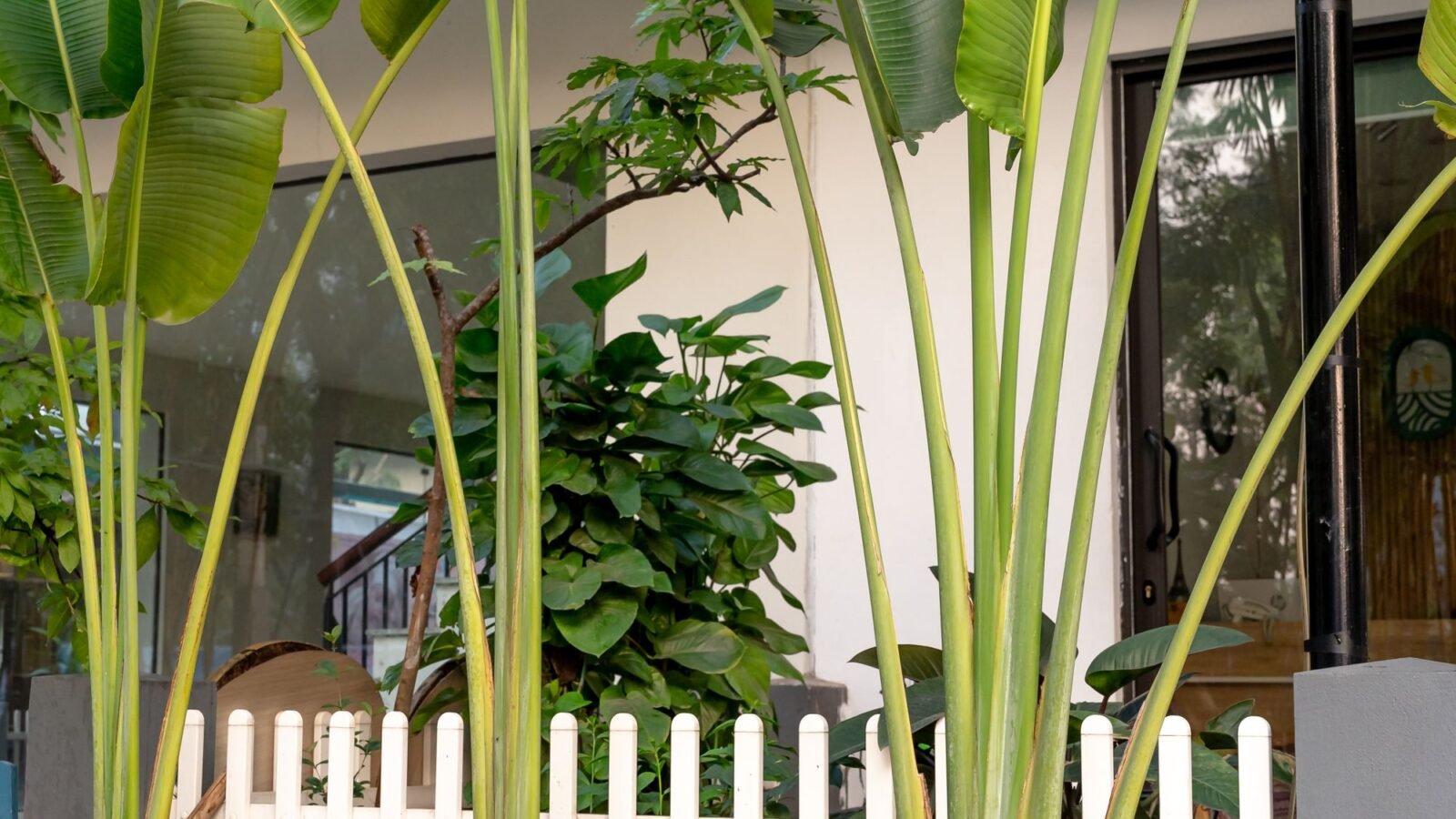
Large containers with dense plants can create a fully movable screen wherever it is currently needed most. This is especially useful for renters, decks, and patios where permanent landscaping is not an option.
10Build a privacy wall near the patio
A short section of wall or screen placed close to the seating area can block a direct view more efficiently than changing the entire yard boundary. Solving the problem close to where you actually sit is often cheaper than solving it at the property line.
11Use layered planting
Combine trees, shrubs, grasses, and lower plants so the screen has real depth rather than a single thin line of greenery. Layering like this feels more natural and can improve privacy consistently throughout the year.
12Angle screens toward the problem view
Privacy solutions do not always need to run parallel with the fence line. Angling a panel toward a specific neighboring window can block that exact line of sight while using noticeably less material overall.
13Add lattice above an existing fence where allowed
A light lattice topper can increase screening height without making the boundary feel completely solid and imposing. Always confirm local rules before increasing fence height, since many areas cap total height including toppers.
14Use bamboo-style screening carefully
Rolled screening can quickly cover an unattractive or overly open boundary on a tight budget. Secure it well and treat it as a surface layer over an existing structure rather than a standalone structural fence.
15Create a sunken seating zone
Where the landscape allows for it, lowering a seating area even slightly can reduce sightlines and make the space feel more sheltered. Proper drainage is essential here, so this option usually needs professional input before digging.
16Position the seating strategically
Sometimes simply moving the patio or turning the furniture can solve the privacy problem without any construction at all. Face seating toward the best view on the property and away from neighboring windows whenever possible.
17Use an outdoor screen panel
Freestanding decorative panels are useful for decks and temporary setups where permanent fencing is not allowed or not wanted. Choose a heavy, stable base so the screen stays safe and upright in windy conditions.
18Train vines over an arbor
An arbor at an entrance or along a path can screen views while adding real garden structure at the same time. Choose climbers that suit the amount of sun the location actually receives.
19Mix evergreen and deciduous plants
Evergreens provide year-round screening while deciduous shrubs and flowering plants add seasonal interest the rest of the year. A mix of both creates a more natural-looking boundary than an all-evergreen wall.
20Add shade sails with privacy in mind
A correctly positioned shade sail can reduce overhead views from upper-story windows nearby while also providing sun protection. It should always be professionally secured where local wind conditions require it.
21Use a garden shed as a screen
A shed can block an exposed corner of the yard while adding genuinely valuable storage at the same time. Position it carefully so it improves the overall layout rather than creating a cramped, leftover edge.
Related ideas: 25 Small Backyard Ideas to Create a Beautiful Outdoor Escape · 21 Small Patio Ideas for a Cozy and Stylish Outdoor Space
Final Thoughts on Backyard Privacy Ideas
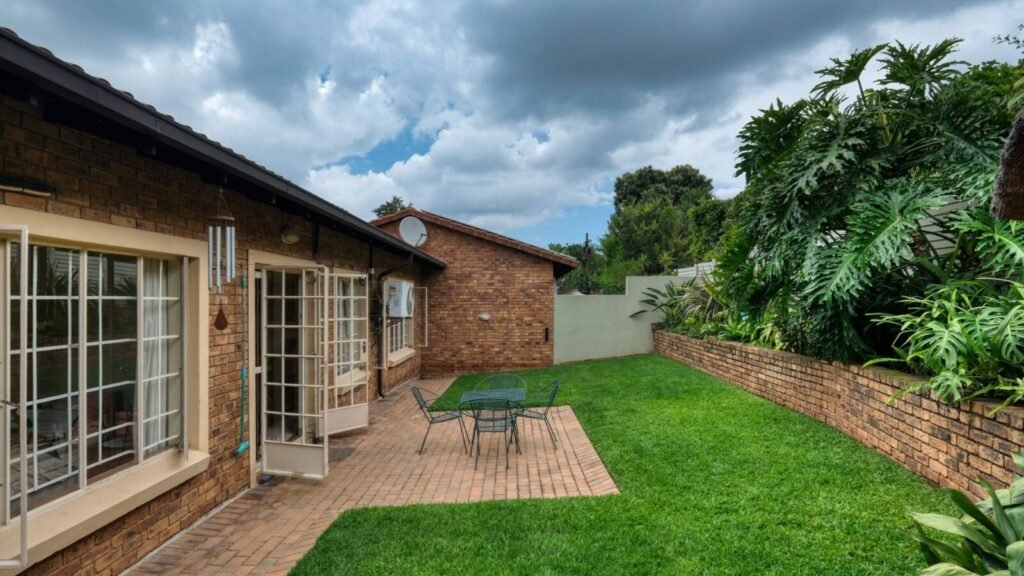
The best privacy solution responds to the actual sightline you want to block, rather than the biggest structure you can build. Start by identifying exactly where views enter the yard, then combine the lightest effective mix of these backyard privacy ideas rather than enclosing every boundary unnecessarily.
Discussion